
Last Thursday, June 19, an inspiring knowledge circle of the R&D working group of the ICD took place in the SKILL building. Representatives from member companies delved into the latest insights around product models and work instructions for manual assembly. Two fascinating speakers shared their knowledge on the intersection of digitization, methodology and manufacturability.
From CAD to interactive work instructions
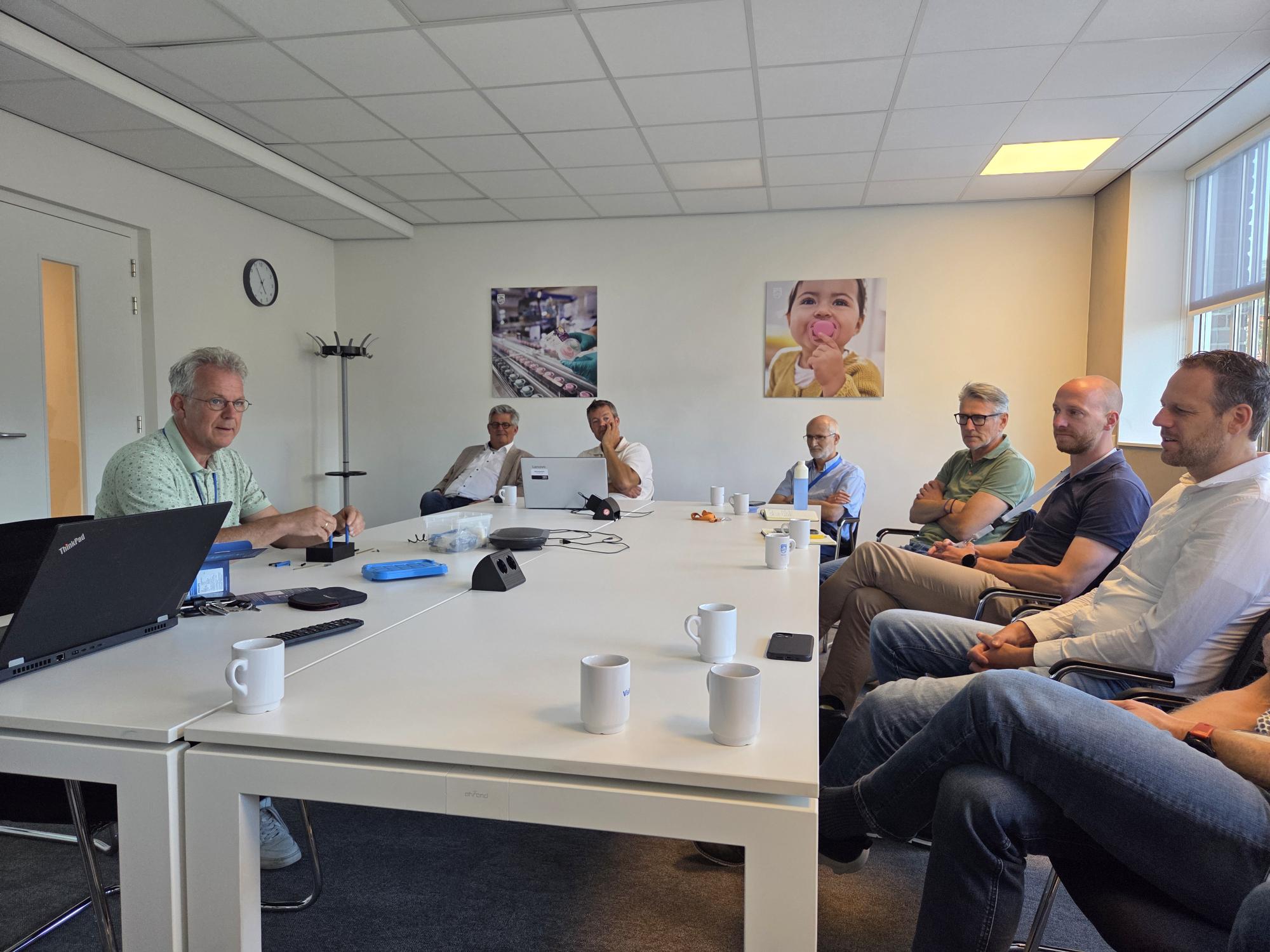
Marcel Jonker by Virtutec kicked off with a presentation on how digital (CAD) models are central to modern product configurators. His talk showed how the gaming industry and Industry 4.0 are converging into powerful tools for the manufacturing industry. For example, he explained that Virtutec developed a platform where work instructions are generated directly from the CAD model - completely in 3D. This is similar to building LEGO. Engineers can freely navigate around the product, zoom in and follow the assembly step-by-step. This allows for a more efficient transfer of knowledge as well as higher accuracy on the shop floor.
Determining work content with nearly century-old precision
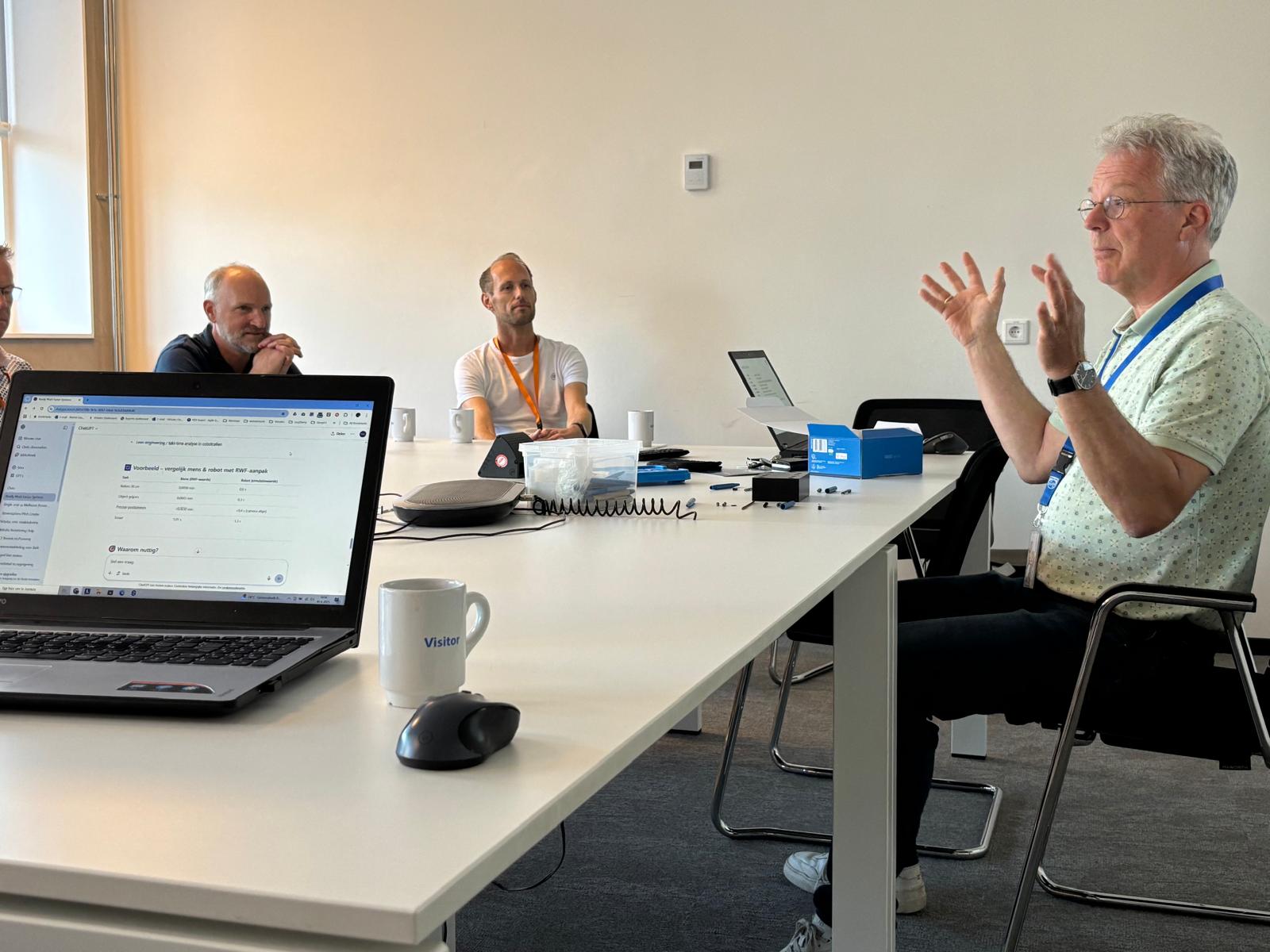
The second session was provided by Oeds van der Wijk by Philips. In doing so, he provided a methodical view of work content and task standardization. He took the participants back to the 1930s, to the era of Taylorian task thinking and the emergence of the Ready Work Factor method. This system, where operations are analyzed and assigned task times, is still the basis for productivity standards in manual assembly - even within today's Philips plants worldwide.
Remarkably, this classical method is still current: it remains an objective standard by which even modern robotic and cobot systems are mirrored. Thus, the human remains leading as a yardstick. Thus, humans form the foundation of future autonomous factory environments.
Knowledge sharing within the ICD network
The knowledge circle is a good example of how cooperation within ICD leads to deepening, cross-pollination and innovation. With 23 member companies from Friesland, Groningen and Drenthe, ICD forms a powerful ecosystem in which knowledge sharing is central. R&D plays a key role in this, especially at a time when technology and labor are constantly changing.