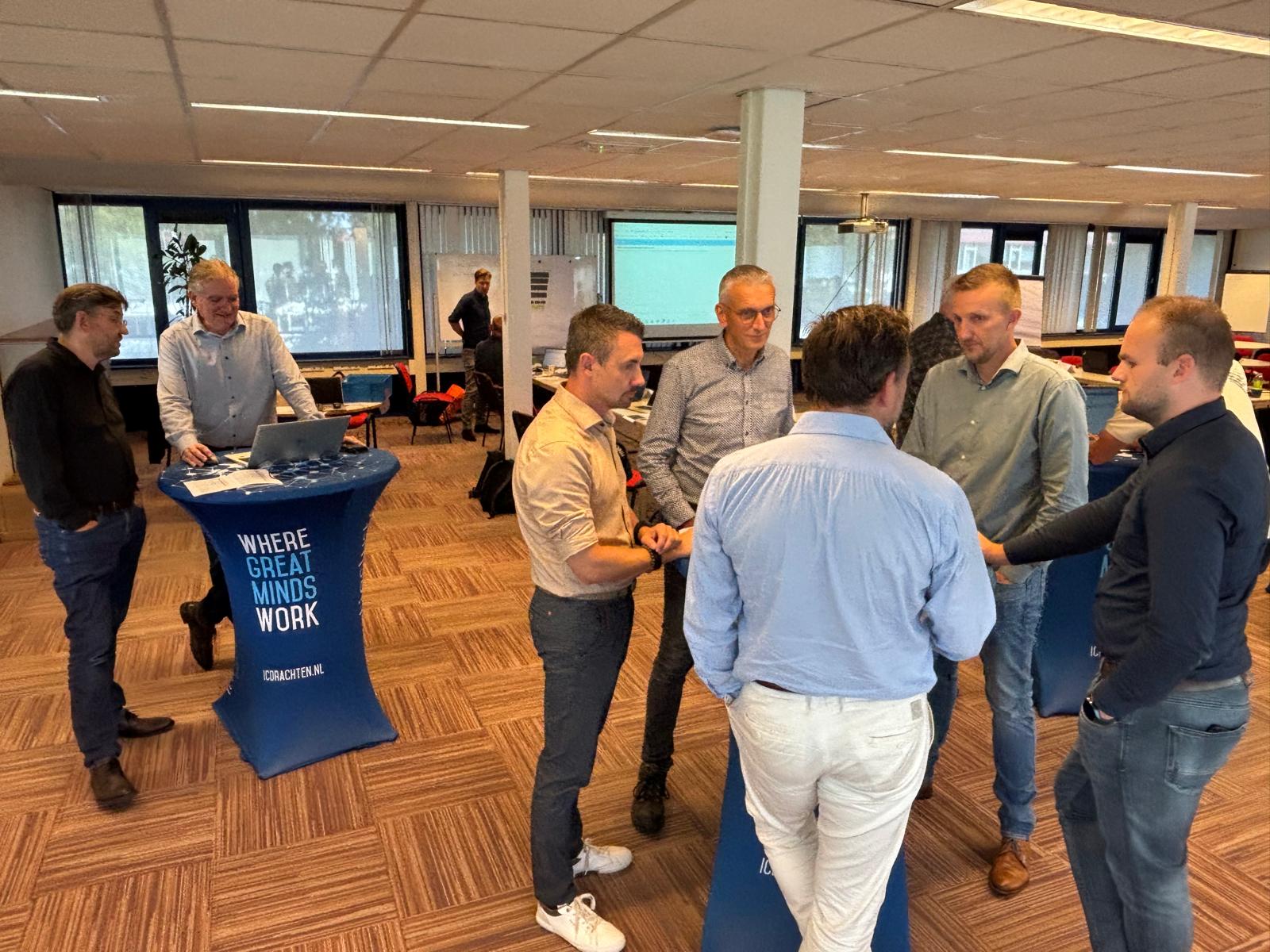
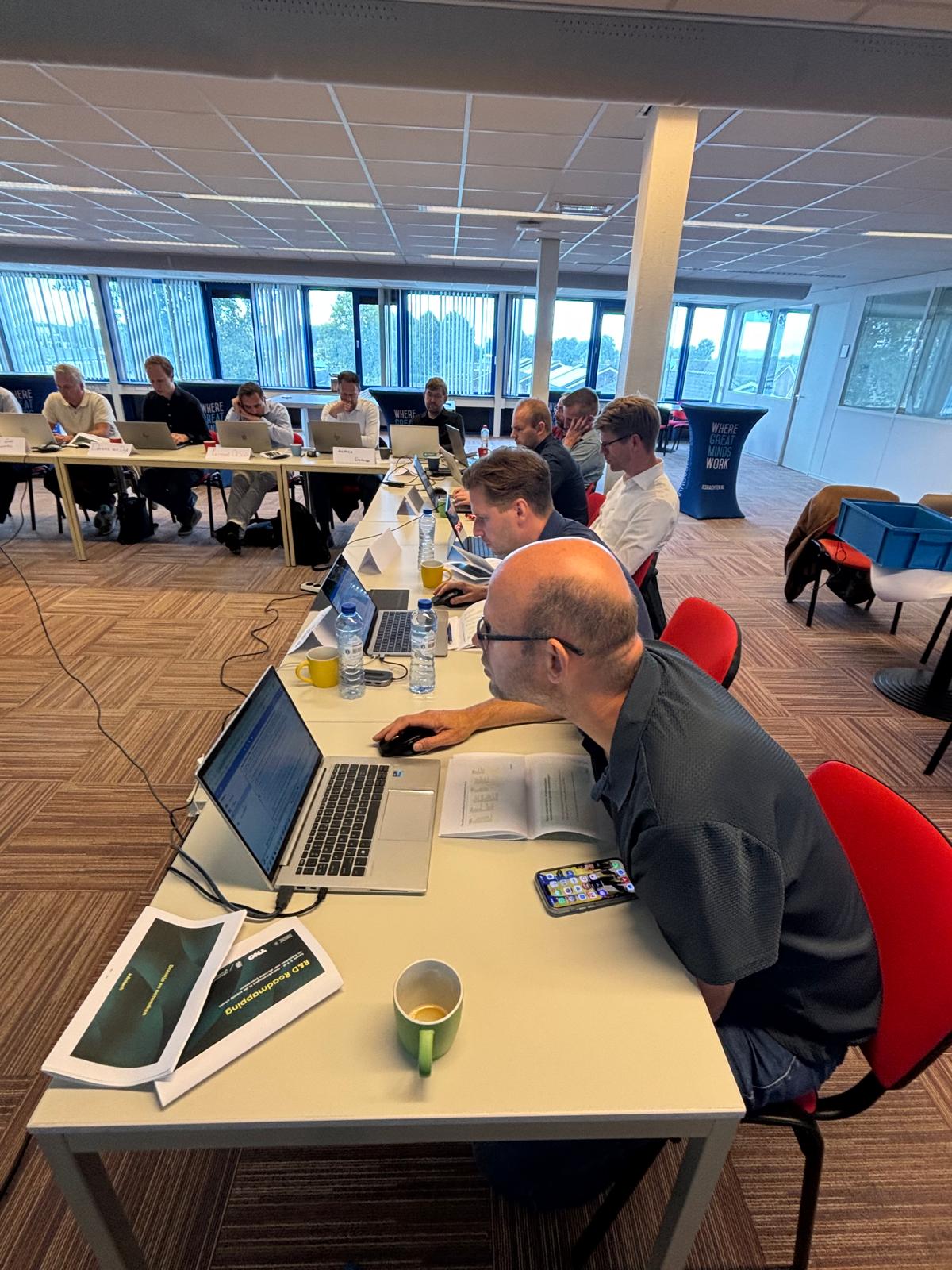
What does the factory of the future look like and which technologies are needed to keep the Northern Netherlands industry competitive? During a joint roadmap session “Business & Technology Roadmap Autonomous Systems” at Packsize In Drachten, the development and implementation of smart and autonomous factories took center stage. Representatives from various types of industry engaged in discussions with each other about the most important challenges, opportunities, and priorities for the coming years.
What requirements do we set for the factory of the future?
The session started with a joint exploration of the factory of the future. What new demands are being placed on factories? And which developments will be major drivers for innovation in the coming years?
It became clear that digitization, data exchange, artificial intelligence (AI), robotization, and autonomous production systems are playing an increasingly important role. These technologies offer companies opportunities to organize their production processes in a smarter and more flexible way, thereby strengthening their competitive position.
At the same time, it was established that many organizations are still at the very beginning of their transformation into a fully data-driven and autonomously operating factory. The path toward that goal therefore requires not only new technology, but also clear choices and shared priorities.
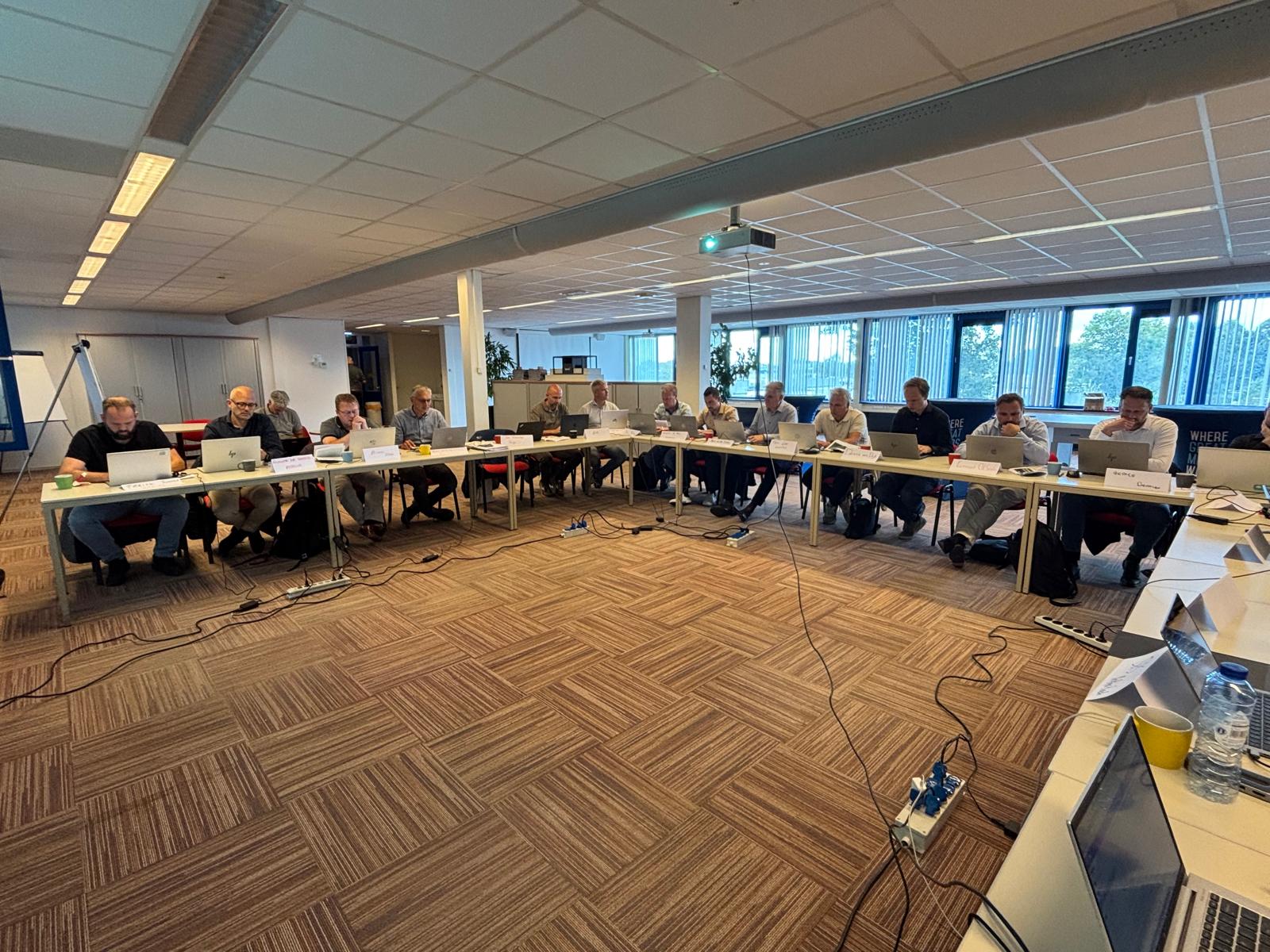
Priorities for smart and autonomous factories
Next, the participants set to work on various prioritizations. Which developments are the most important? Where do the greatest opportunities lie? And which topics should ultimately be included in the joint roadmap?
Based on the discussions, the various top 5 priorities were discussed. The companies used this input for the further development of the roadmap and it helps to provide direction for future innovation and technology development.
Collaboration essential for acceleration
An important result of the meeting was the joint recognition that companies cannot achieve this transition alone. Therefore, cooperation between companies, knowledge institutions, and governments is essential to accelerate the necessary innovations.
By bringing together knowledge, practical experience, and technological expertise, new solutions can be developed and applied more rapidly. At the same time, this contributes to a strong and future-proof industry in Drachten and the Northern Netherlands.
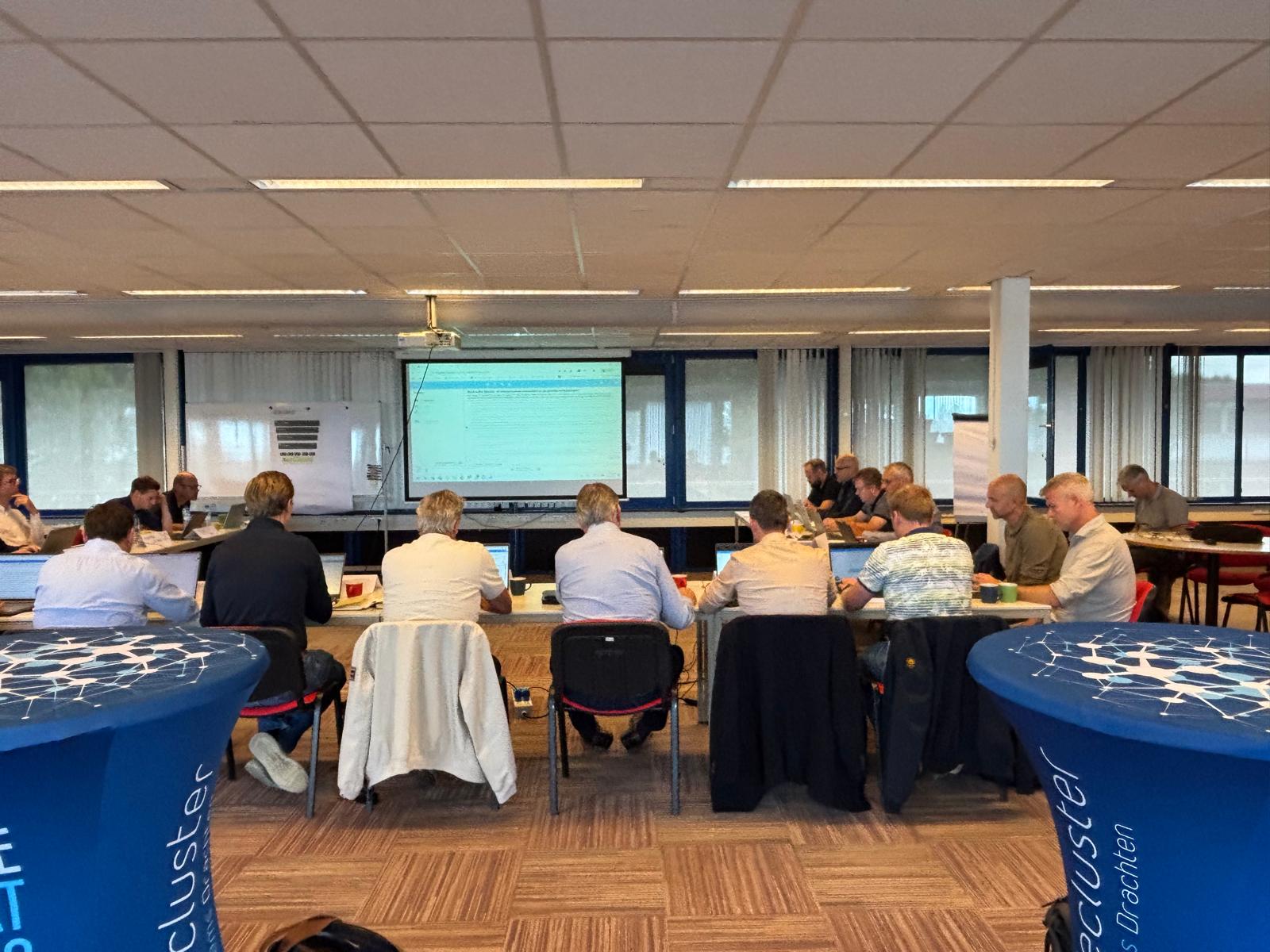
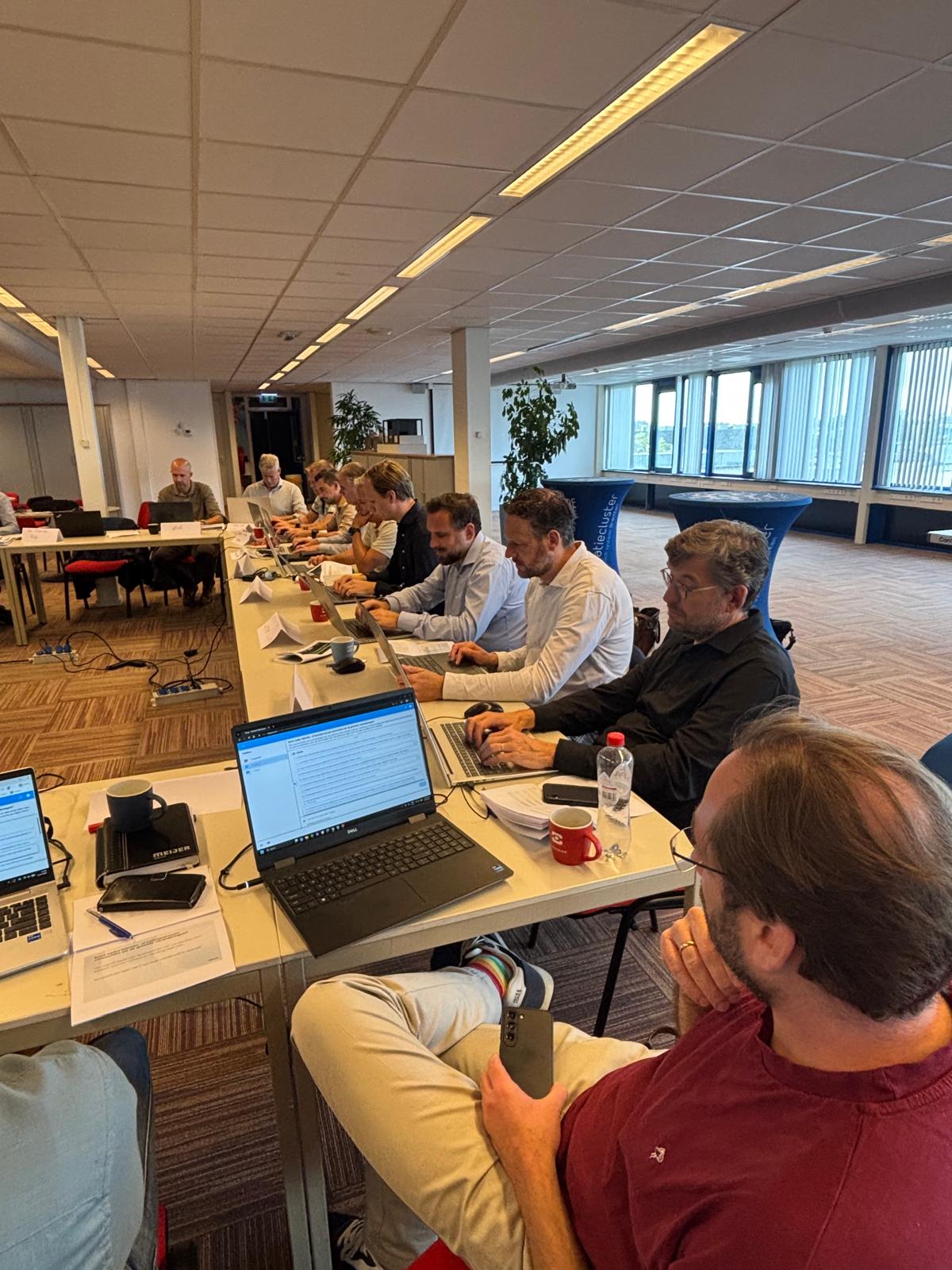
Part of joint roadmap for Northern Netherlands
The Business & Technology Roadmap Autonomous Systems is, after the National Congress Autonomous Systems (NCAS), a second initiative of the joint consortium of TNO, University of Groningen (RUG), EDIH North Netherlands and the ICD. Both initiatives fall under the umbrella of Infinitech.
The roadmap must enjoy broad support from the Northern Netherlands high-tech industry and knowledge institutions. Therefore, companies and knowledge partners are being involved through various sessions. In total, approximately 60 different Northern Netherlands companies and knowledge institutions are expected to provide substantive input. This step-by-step process will create a shared vision of the business opportunities and technologies needed for the development of smart and autonomous factories.
Next roadmap session on October 8
The meeting at Packsize yielded valuable input for the further development of the joint roadmap for smart and autonomous factories.
The next session will take place on October 8. The focus will then shift to regional knowledge institutions and long-term technological developments. This will center on the so-called technology push: which new technologies are on the horizon and what opportunities do they offer for the factory of the future?
This is how the participants will further develop the roadmap step by step with input from the business community, knowledge institutions, and other involved parties.