
On Thursday, June 11, approximately 50 engineers, R&D specialists, and innovation managers gathered at the Philips Campus in Drachten for an interactive knowledge session on the role of Artificial Intelligence (AI) within Research & Development (R&D). The meeting was part of the ICD's knowledge circle program. It focused entirely on the impact of AI on product development, engineering, and innovation.
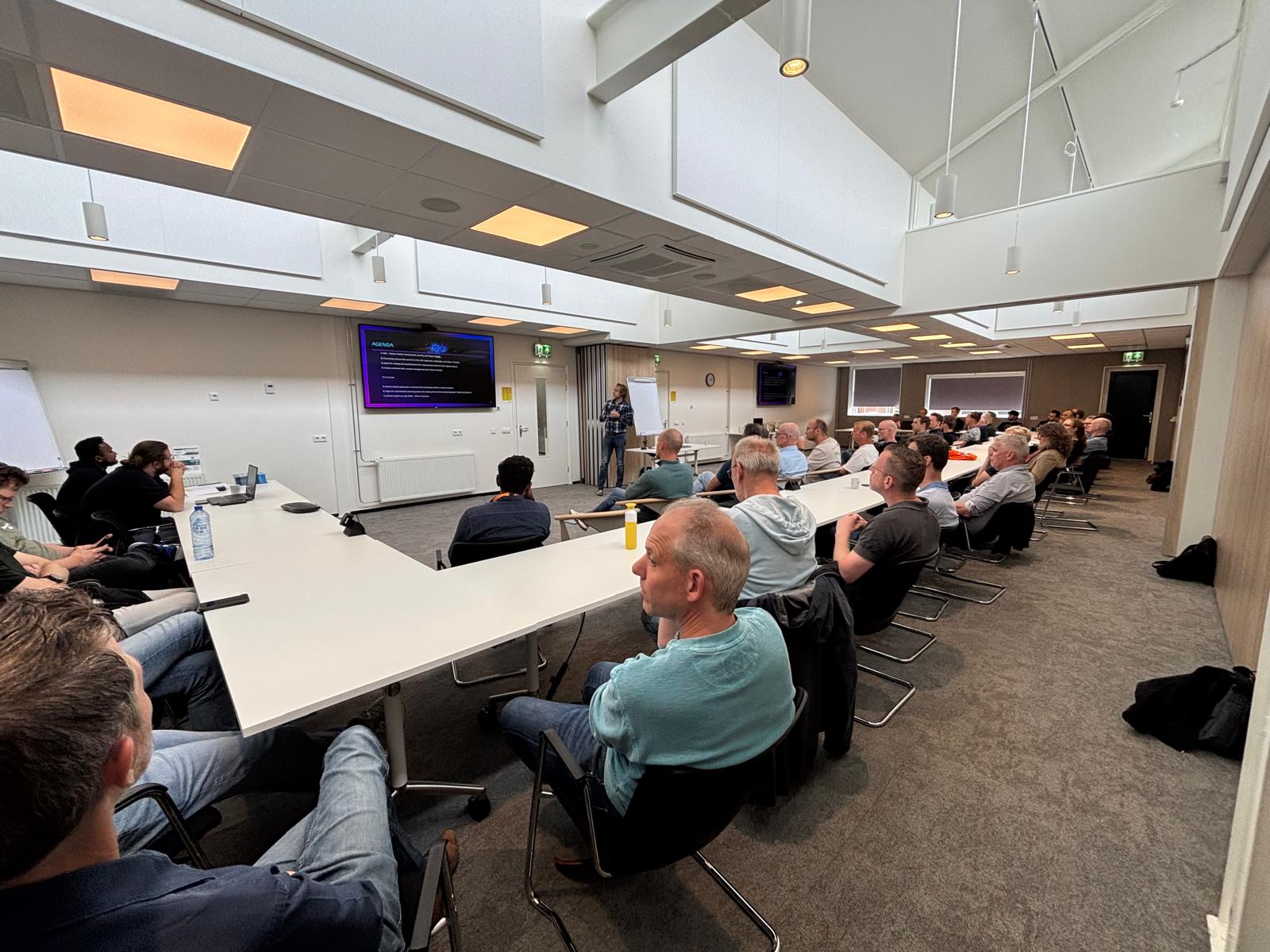
The session demonstrated how Artificial Intelligence is rapidly evolving from a promising technology to a concrete driver of efficiency, knowledge management, and innovation in high-tech system development. As a result, AI is increasingly aligning with the challenges faced daily by R&D departments in the manufacturing and high-tech sectors.
During the meeting, several ICD companies shared their practical experiences, initial use cases, and lessons learned. Additionally, there was extensive discussion on the challenges surrounding implementation, data security, and the integration of AI within existing development processes. Thanks to the concise 10-to-15-minute presentations, attendees received a broad and concrete overview of current AI applications within R&D.
From AI experiment to practical application
An important conclusion from the session was that AI is rapidly developing from an experimental technology into a practical tool within engineering and innovation processes. Several speakers demonstrated that AI is already adding measurable value today within product development and systems engineering.
Florian Blouw (Variasspresented the development of “Aike,” a locally hosted chatbot designed with a strong focus on data security and intellectual property protection. He emphasized the importance of keeping business-sensitive information secure when using AI solutions.
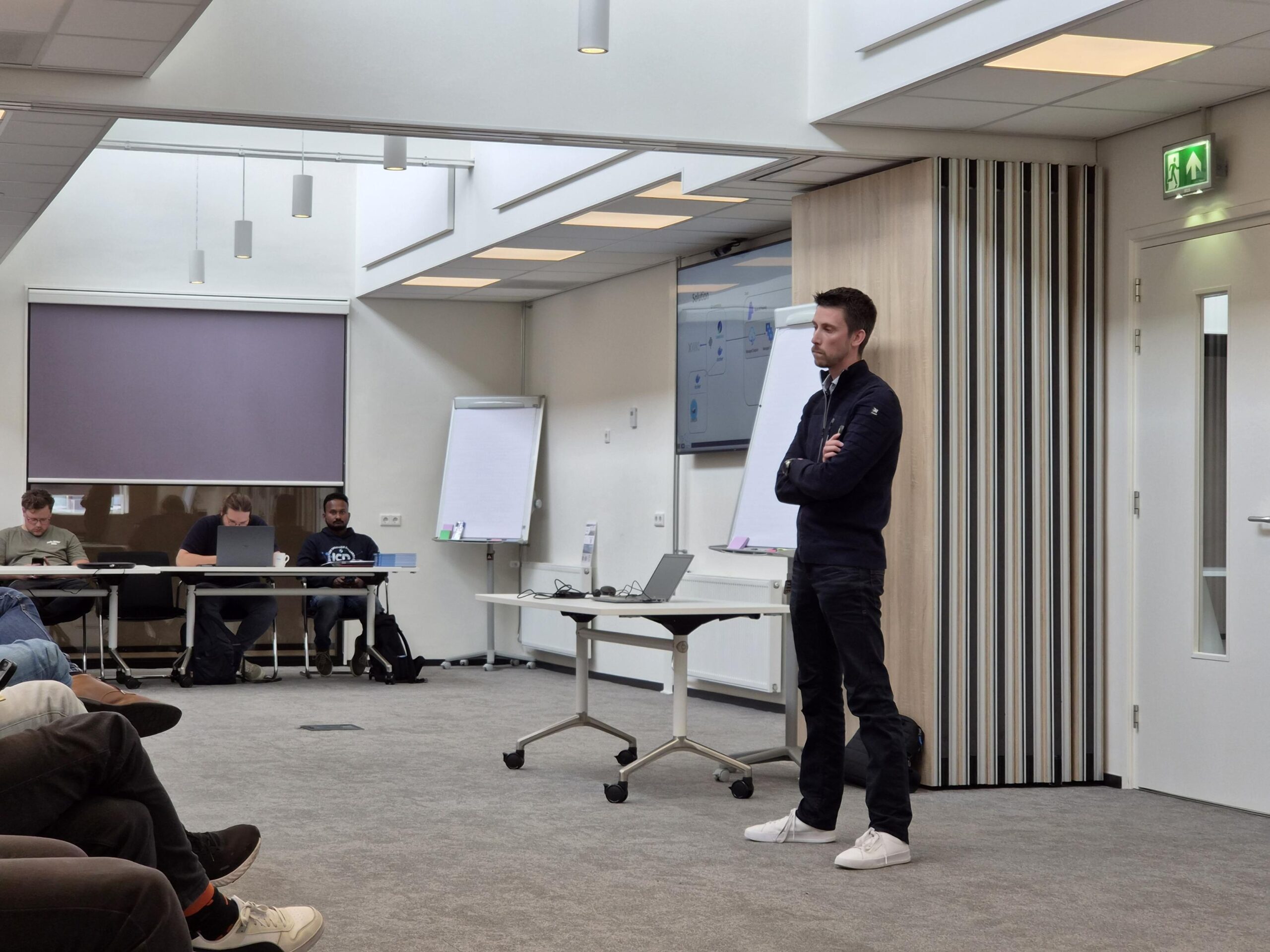
Floris Goet (Viventristalked about making knowledge manageable by connecting different data sources to Large Language Models (LLMs). His presentation showed the opportunities AI offers for knowledge management, but also the complexity involved in combining diverse datasets.
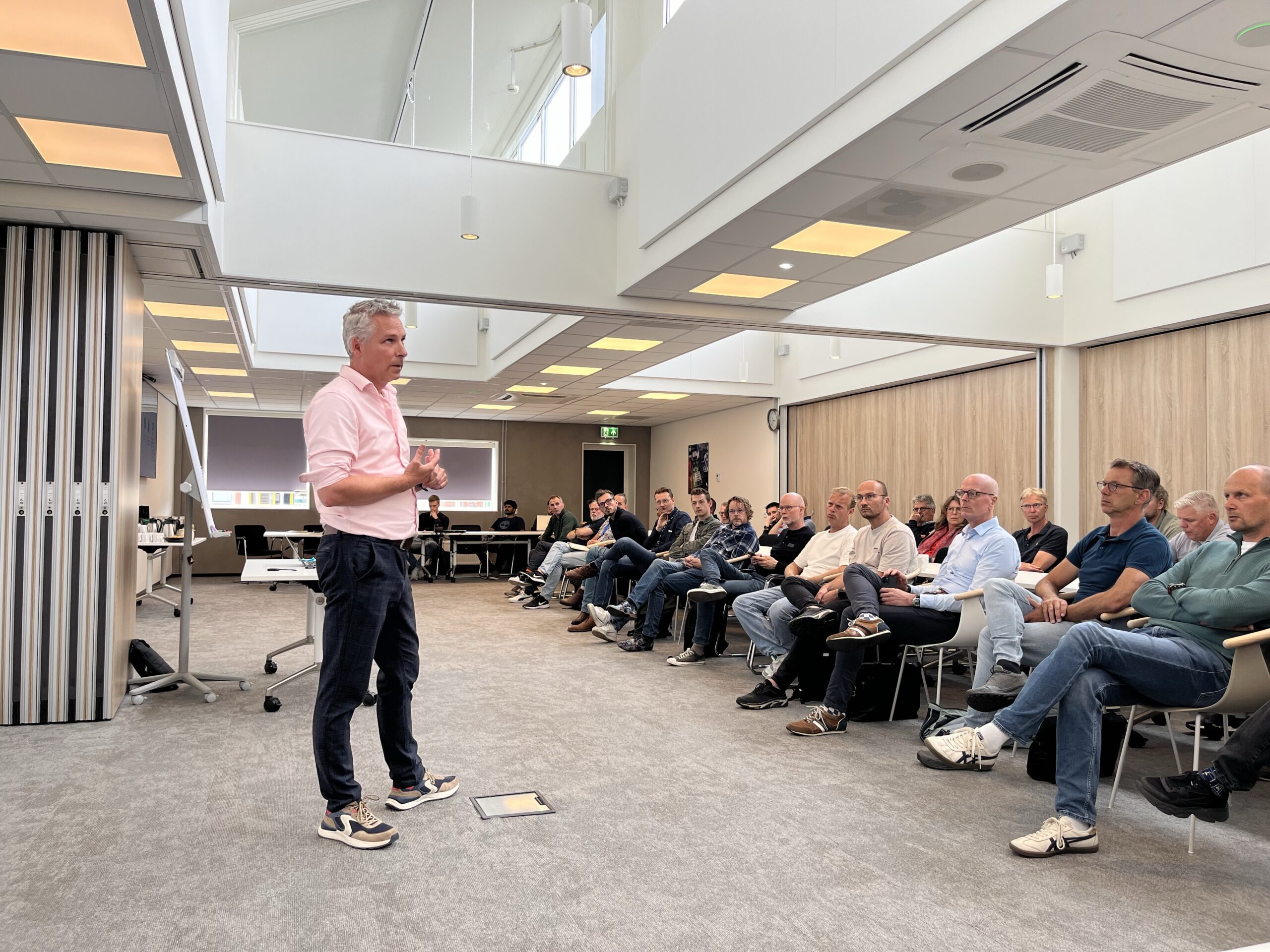
Gertjan Rocks (Spark HollandAn AI agent was demonstrated that automatically generates test specifications based on system requirements linked to Product Lifecycle Management (PLM). This application shows how AI can reduce repetitive tasks while improving the quality and consistency of development processes.
AI accelerates development processes in engineering
The role of AI in automating and accelerating development processes was also discussed extensively.
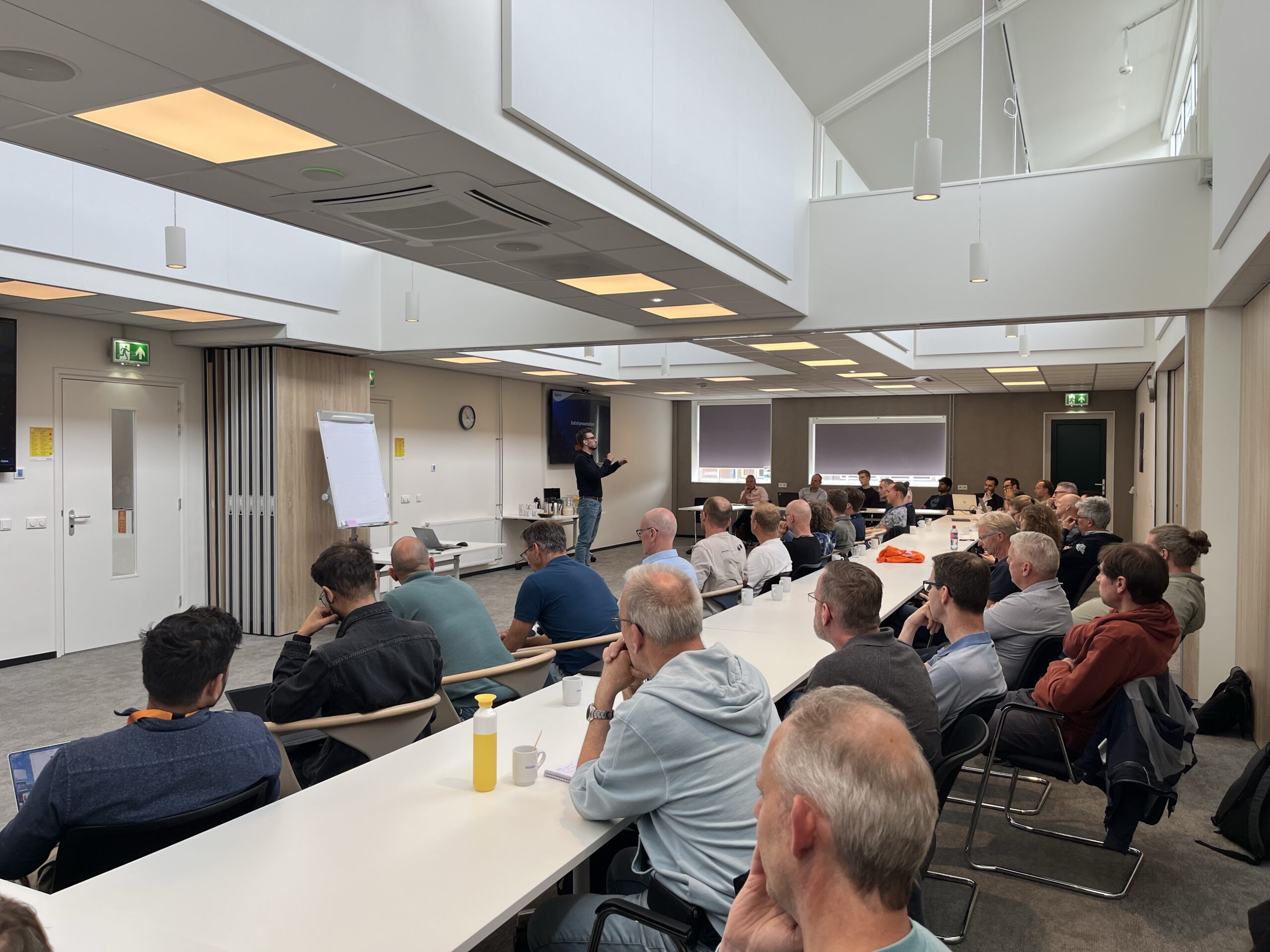
Emil Koppen (Kwant Controlsshowcased how AI tools like Claude are utilized for diverse R&D applications, including project planning, CAN bus testing, and product configurations.
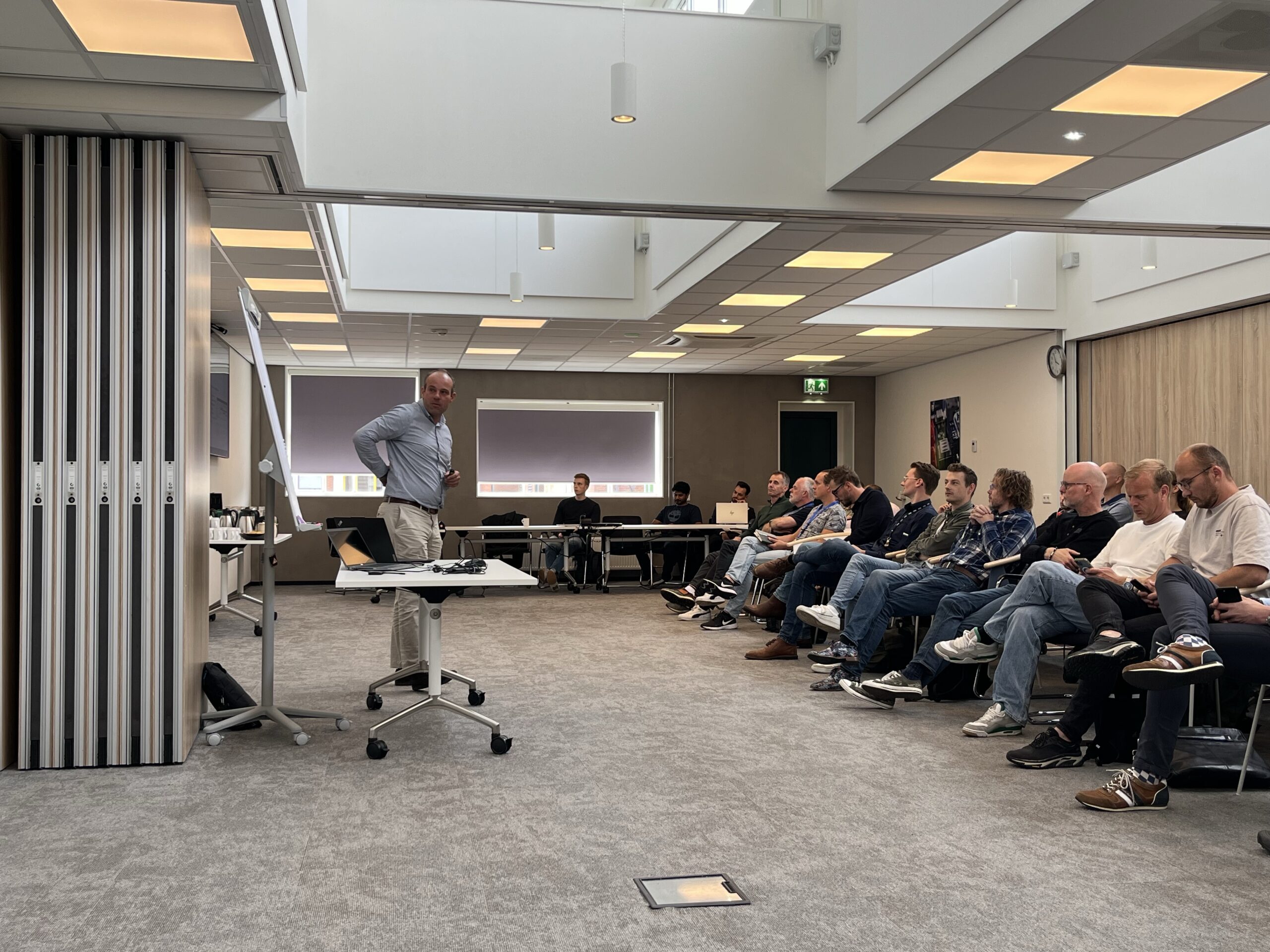
Bart Klaster (Batenburg Bonesintroduced the use of agent-based AI within CI pipelines. His solution makes it possible to run tests automatically and even independently generate “fix branches.” This significantly shortens software development cycles.
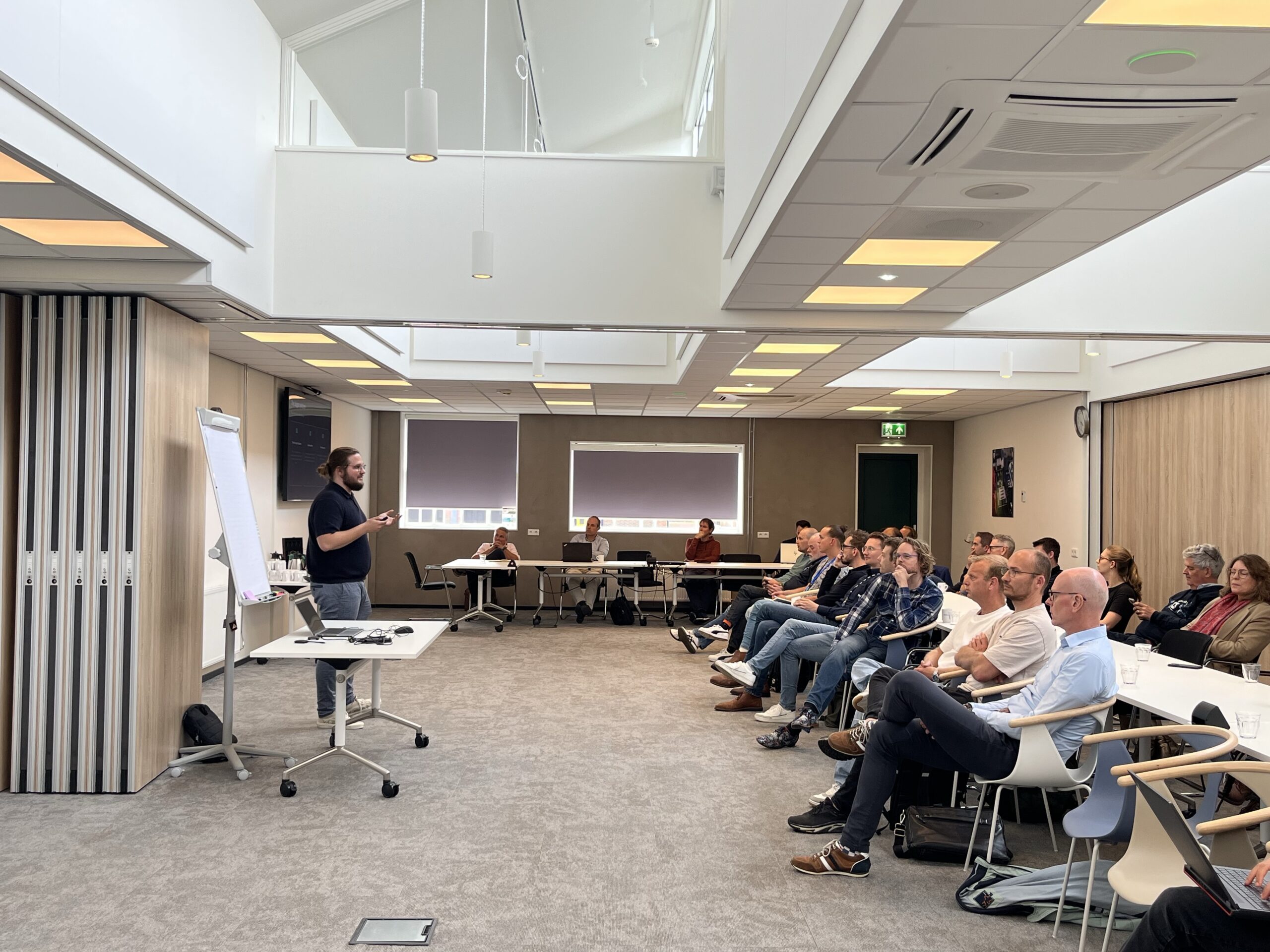
Tjeerd-Menno Douma (Comecer Netherlands) concludes with the concept of “Agent Skills.” This involves equipping AI agents with the right context, knowledge, and standardization so they can perform truly valuable tasks within complex engineering environments.
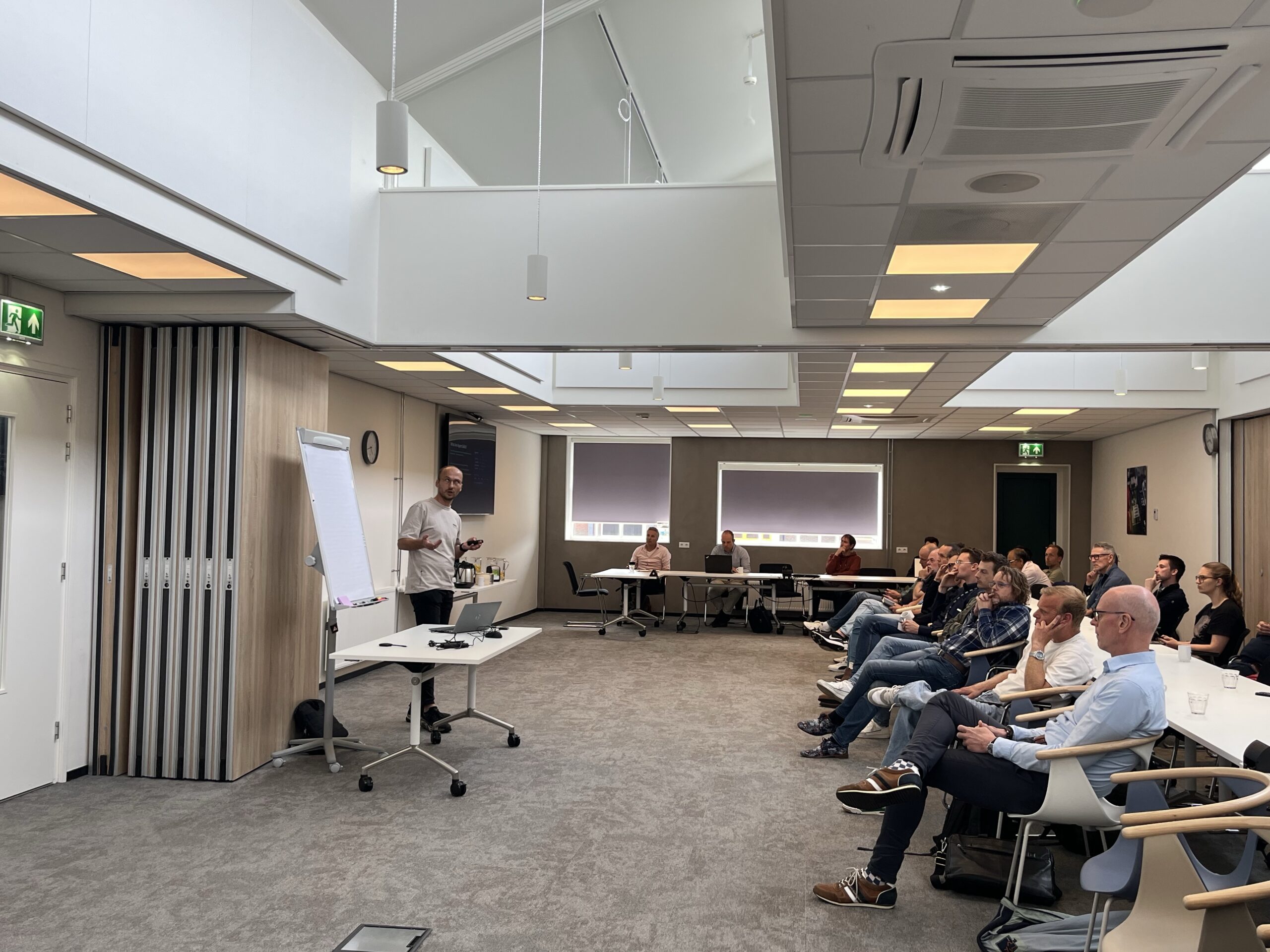
Joint AI Innovation within the ICD Network
Besides the individual practical examples, it also became clear that a broader joint exploration of AI is taking place within the ICD. Under the leadership of Spark Holland, a joint innovation project has been launched in which companies are experimenting with AI applications within their own domains.
Examples that were discussed during the session include:
- Data cleaning for cloud applications
- Generating test protocols based on system specifications
- Automatic software generation in different programming languages
- Creating Gantt charts integrated with ERP, BoM, and HRM data
- Developing product configurators
- Accelerating software development pipelines
This diversity underscores the broad applicability of Artificial Intelligence within the high-tech sector. At the same time, it shows how valuable shared knowledge is when exploring new technologies.
Collaboration strengthens innovation in the North of the Netherlands
The large turnout and active participation confirm the growing interest in AI within the regional high-tech industry. According to the organization, the initiative continues to expand. Two additional ICD companies have now joined the partnership.
The knowledge session not only provided insight into the current state of AI within Research & Development, but also served as a valuable platform for collaboration and knowledge exchange between innovative companies in the Northern Netherlands.
The message of the afternoon was clear: although there are still challenges in implementation, data, and adoption, Artificial Intelligence is already playing an increasingly important role in how R&D processes are set up. Smarter, faster, and better connected.