
How do high-tech companies develop innovative products and smart production processes? International students of Mechanical Engineering discovered this during an ICD safari in Drachten. On Thursday 6 October, final-year students of the Hanze University Groningen together with fellow students from Austria and Finland the ICD companies Philips and Packsize.
The visit was part of an international exchange week within the European Erasmus program. The students came from three educational institutions: Hanze in Groningen, FH OÖ Campus Wels in Austria and Oulu University of Applied Sciences (Oamk) in Finland.
The FH OÖ Campus Wels is one of the largest technical universities in Austria. The campus focuses primarily on engineering, applied natural sciences, sustainability, energy, environmental technology, and industrial innovation. Approximately 1,900 students study bachelor's and master's programs here that are strongly connected to business and practice-oriented research.
The Oulu University of Applied Sciences (Oamk) is an international university in northern Finland (near the Arctic Circle) with approximately 9,000 to 9,500 students. Oamk offers programs in the fields of technology, ICT, business, healthcare, and culture, with a strong focus on innovation, digitalization, and collaboration with regional companies. The institution is known for its international character and extensive opportunities for exchange students.
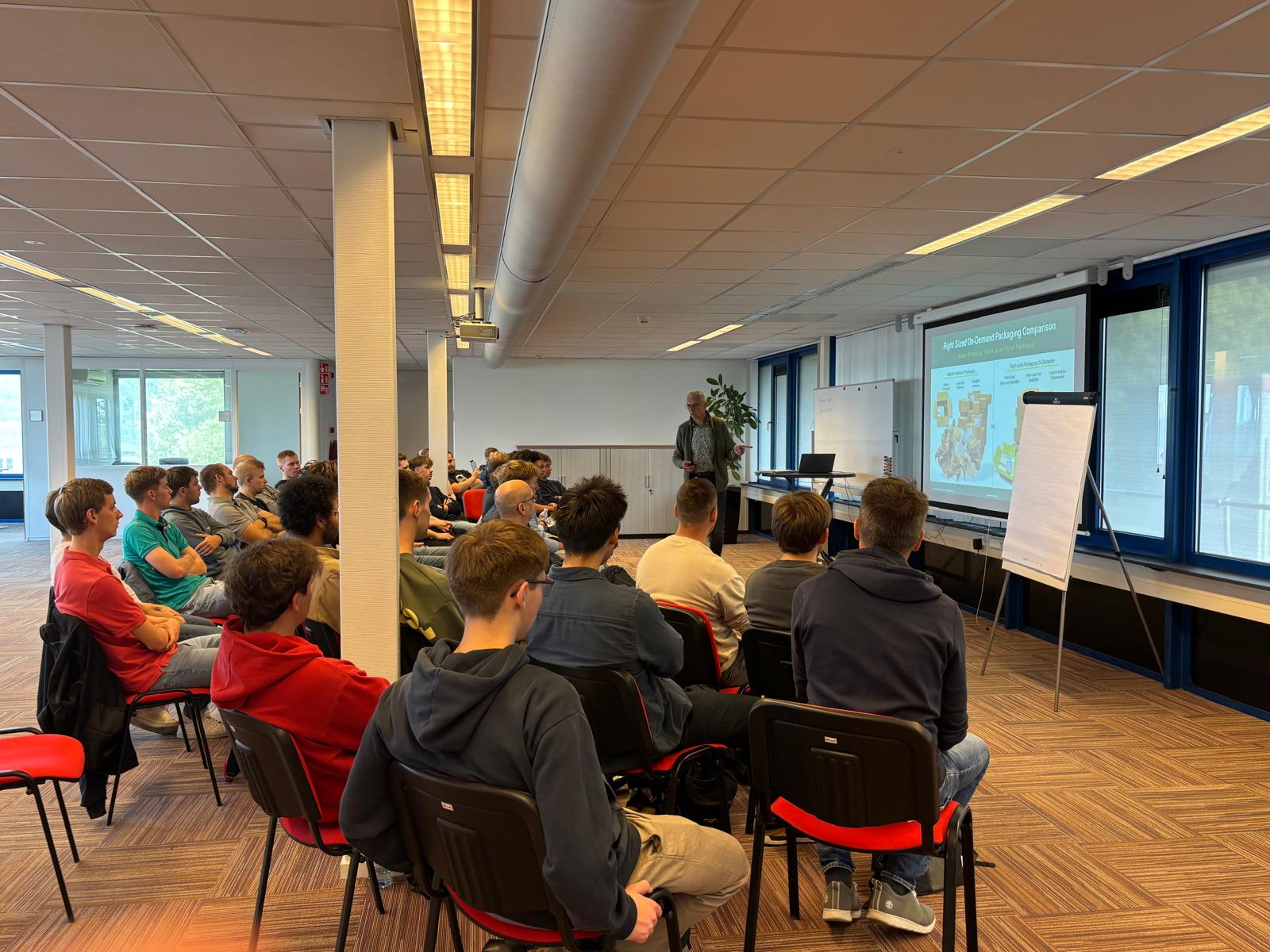
From product development to 3D printing at Philips
The morning began at 9:00 in the SKILL building on the Philips site in Drachten. The students got acquainted with product and production development. After that, they took guided tours of the 3D printing lab and the cobot lab.
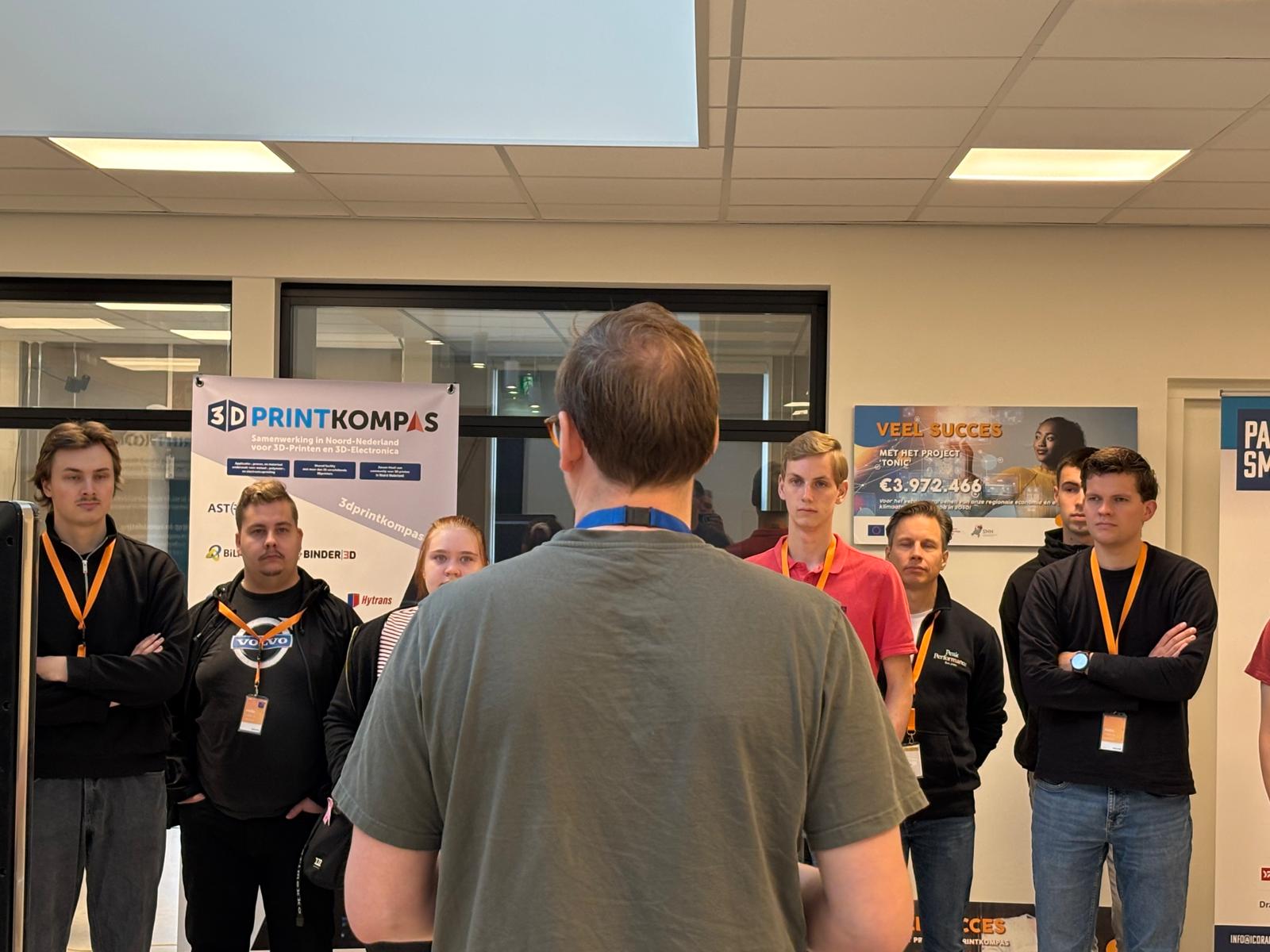
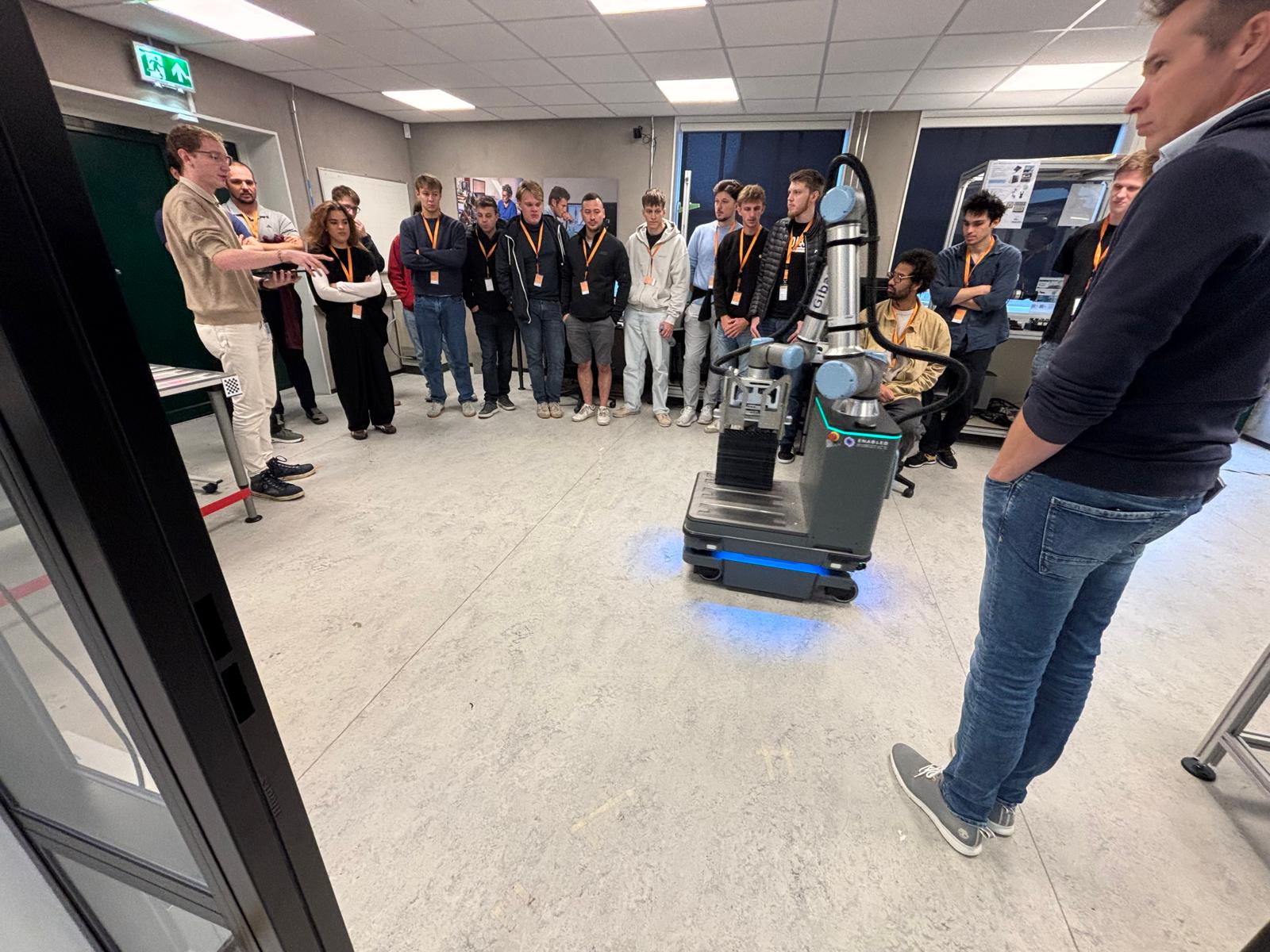
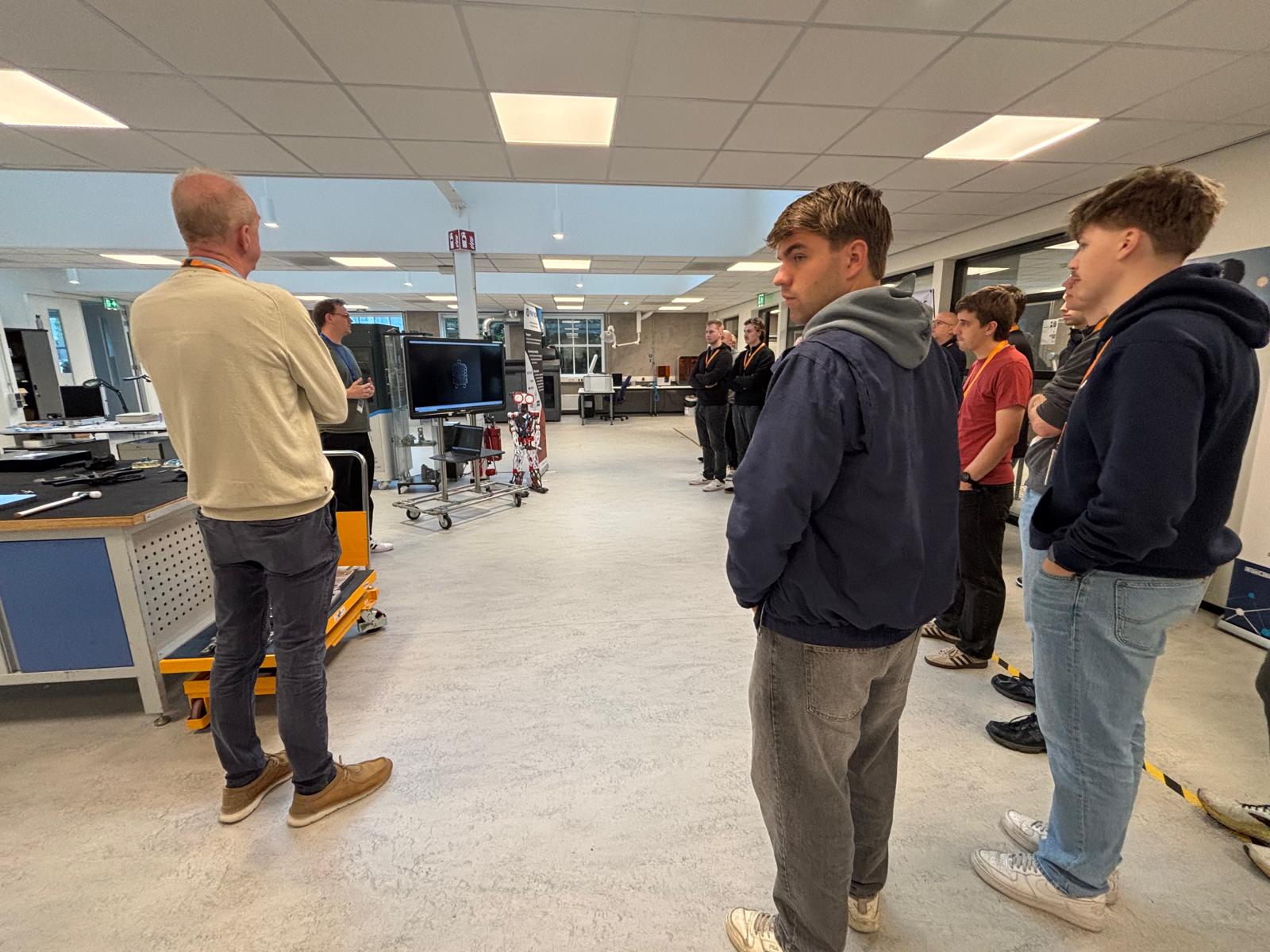
The development of the Philips OneBlade was also on the agenda. The students got a glimpse into various aspects of high-tech product development. They saw how technical knowledge and innovative production techniques come together in practice.
Smart production at Packsize
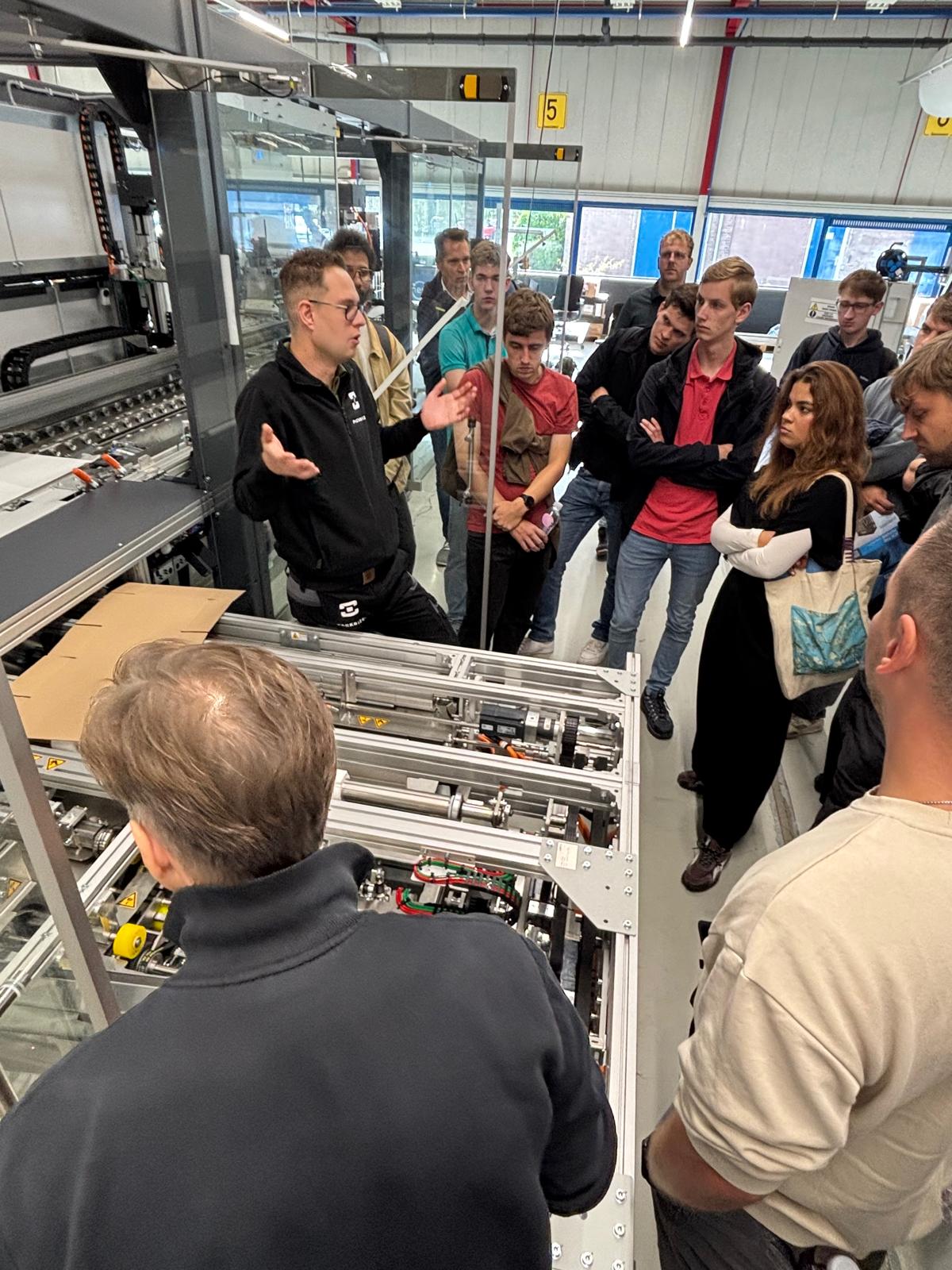
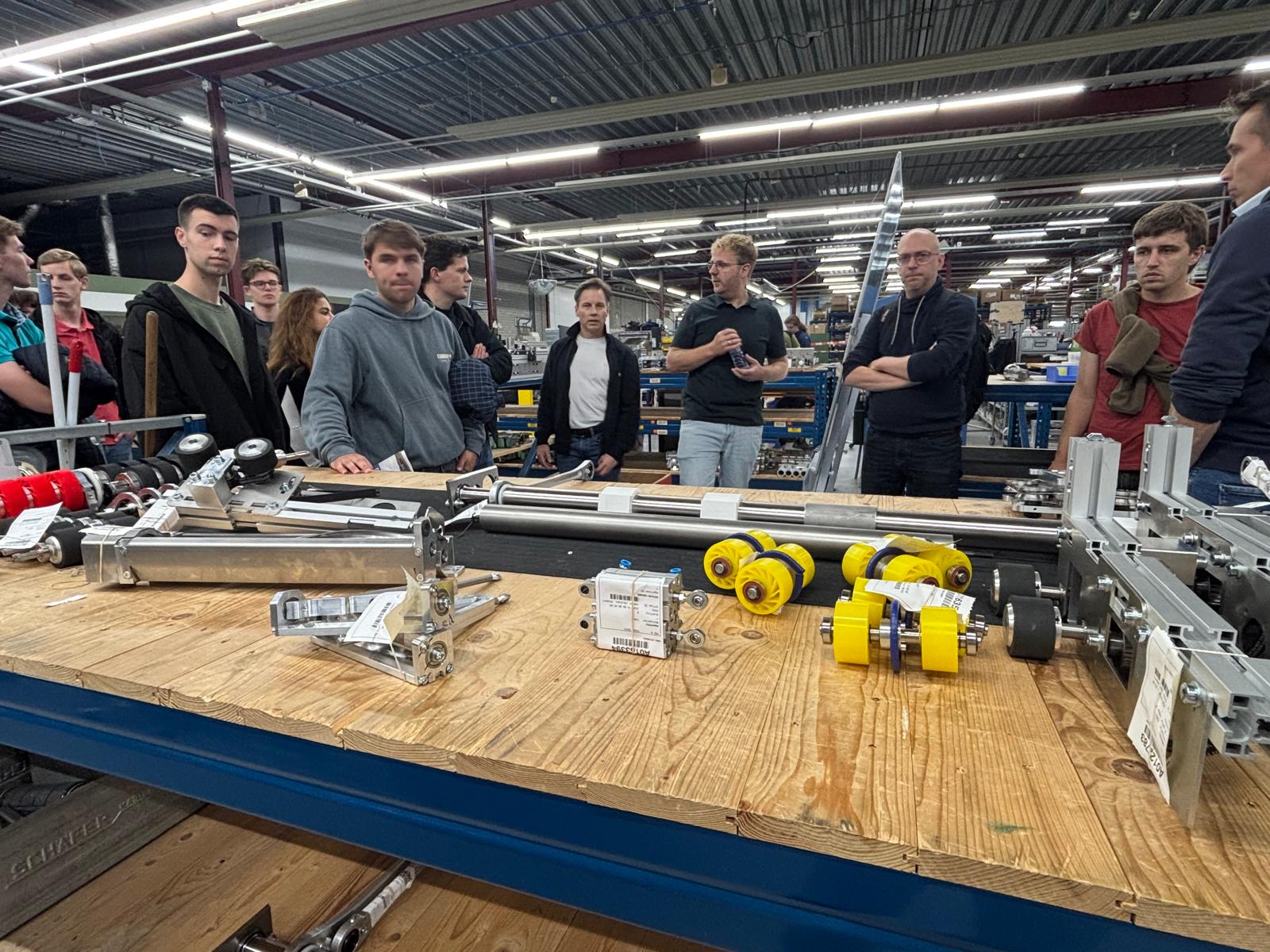
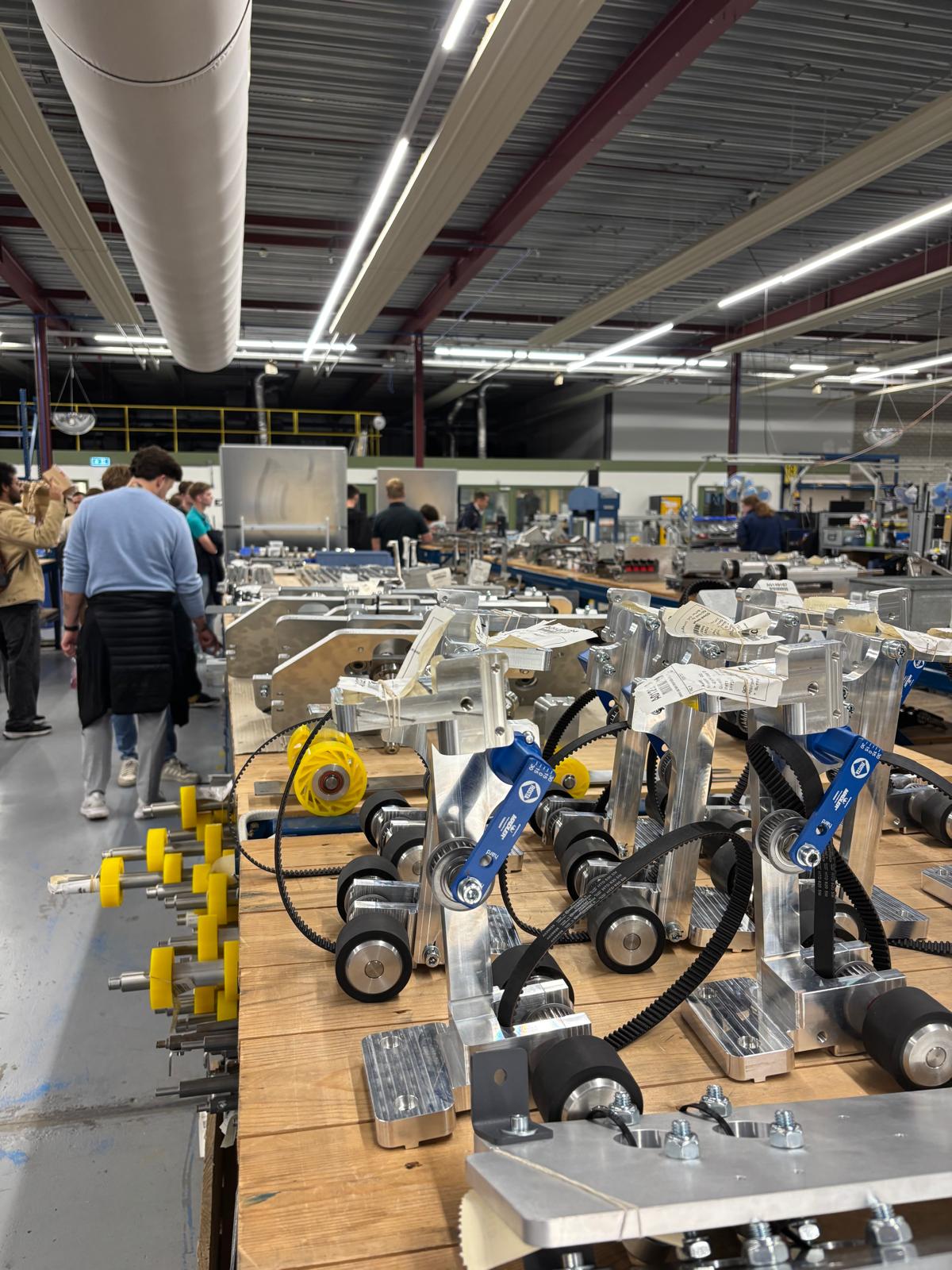
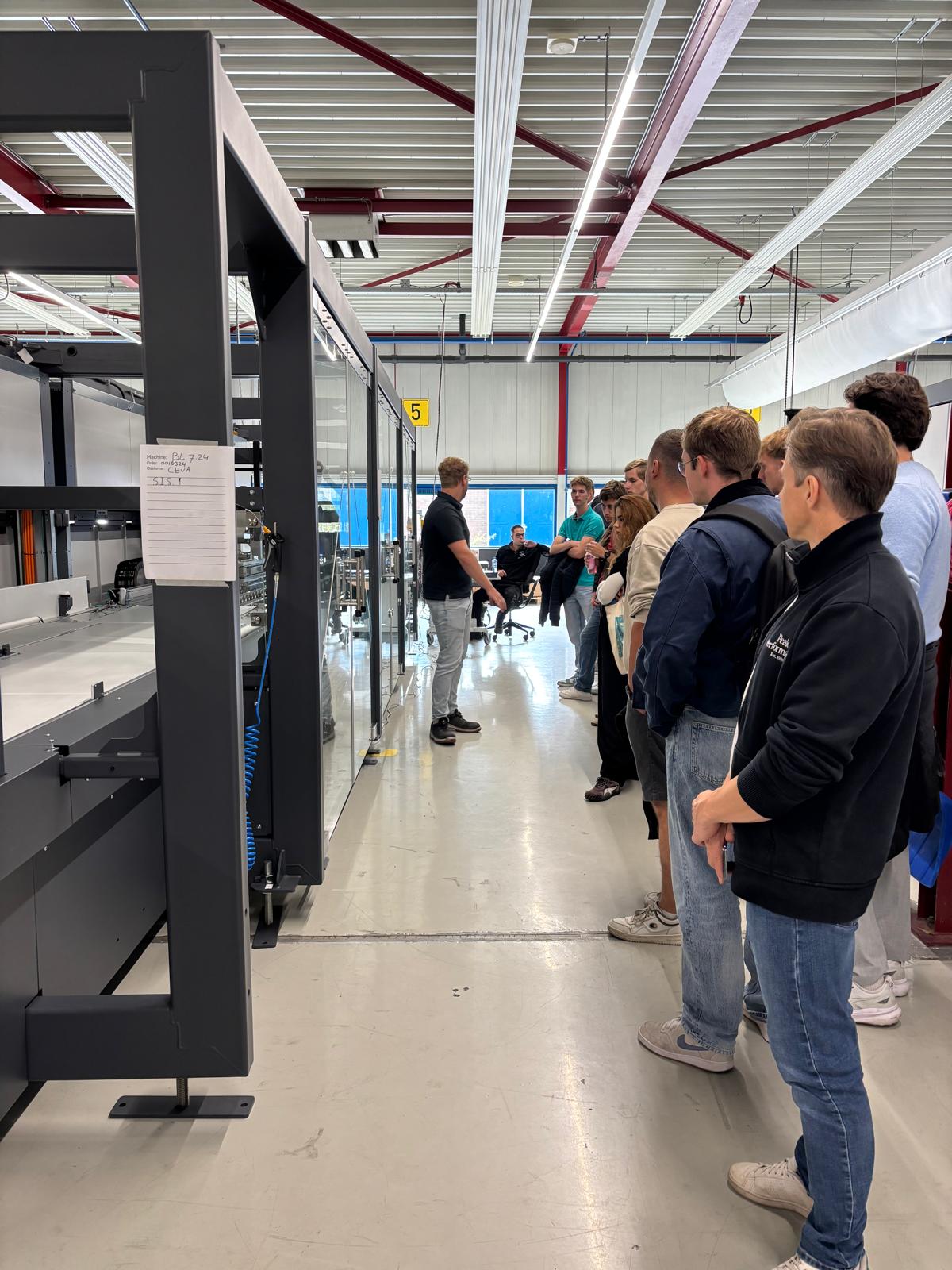
The group then traveled to Packsize. There, the students discovered how technology is applied in modern packaging solutions and production processes. The visit showed how wide-ranging the field of Mechanical Engineering is. The students learned about various technical applications and gained an insight into the working environment at innovative companies in the Northern Netherlands.
International knowledge exchange
The safari brought students from the Netherlands, Austria and Finland together. By visiting companies, they were able to connect their education with concrete technical applications. At the same time, the program provided space for international knowledge exchange and new perspectives.
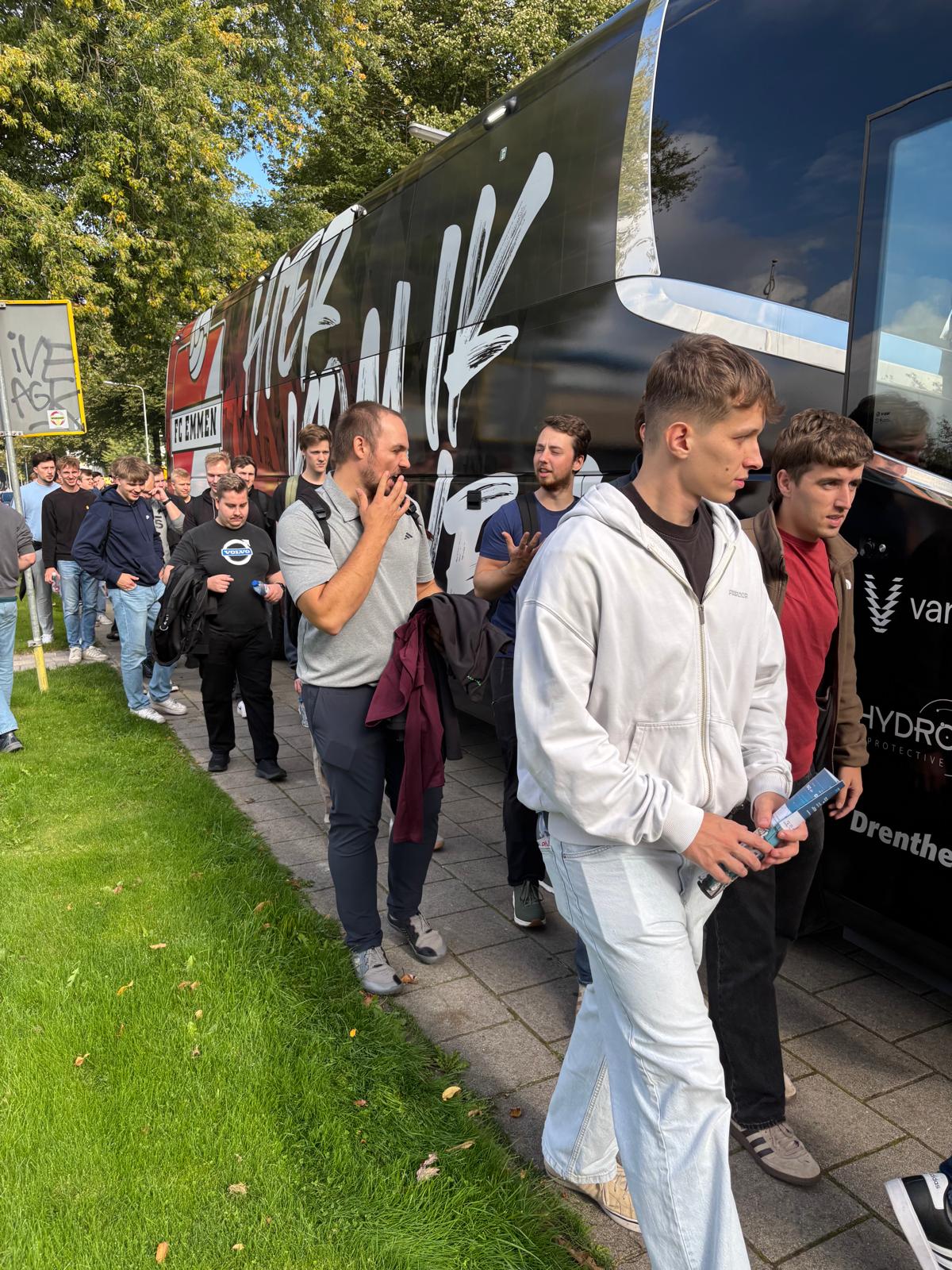
The Erasmus exchange encourages students to learn and share experiences across national borders. The ICD safari was a perfect example of this. The students discovered how high-tech companies in the Northern Netherlands work on product development and smart production. At the end of the day, the group returned to Groningen. This was done in a special way: with the FC Emmen bus.
ICD connects education and high-tech companies
With the ICD-safari, ICD brings students into contact with innovative companies in the Northern Netherlands. This way, future engineers discover how their knowledge is applied in practice. At the same time, companies can show which technical challenges and career opportunities they offer.
The visits to Philips and Packsize thus provided an international introduction to high-tech innovation in North Holland.