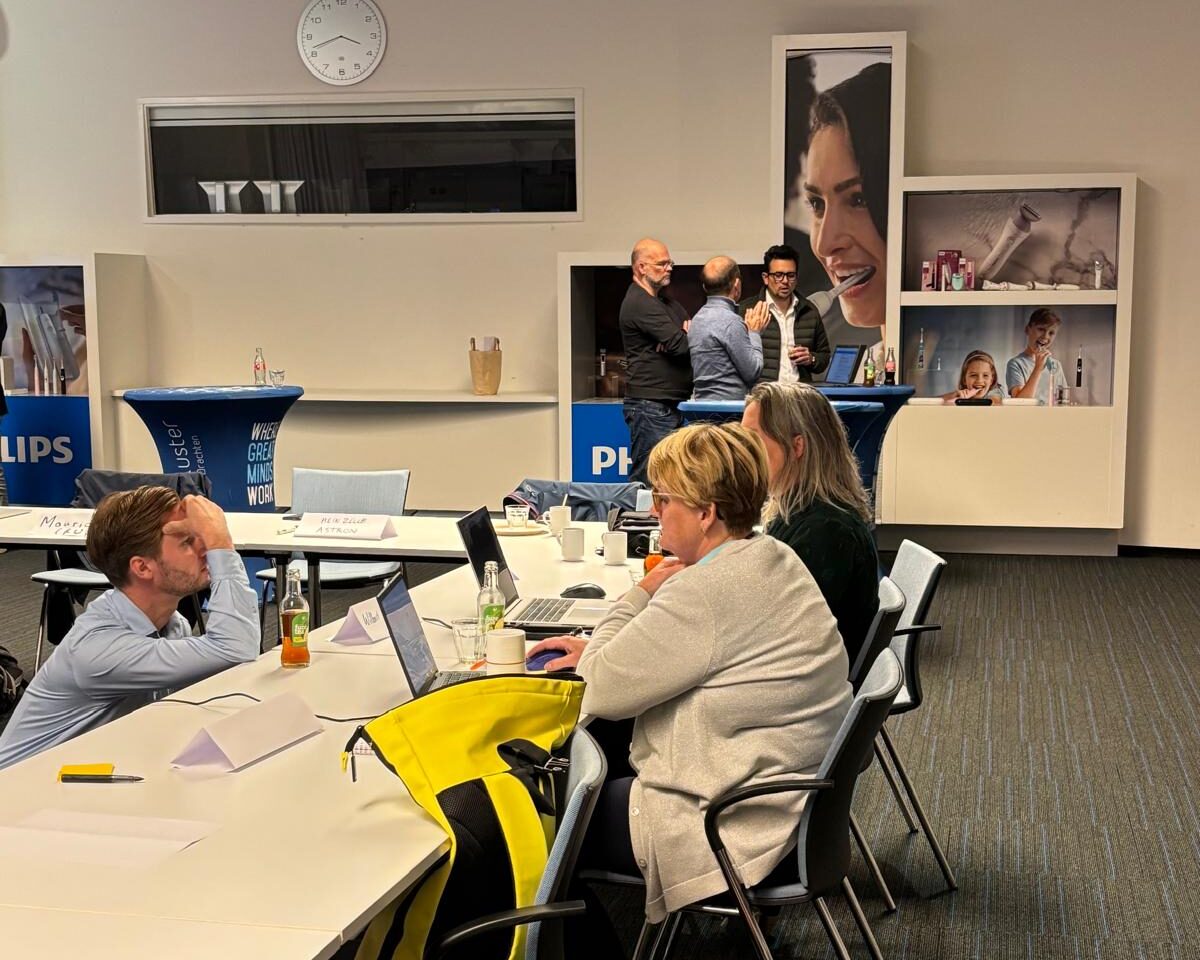
Which technological developments will have the most impact on the industry in North-Holland in the coming years? This question was at the heart of the third session of the roadmapping project. Autonomous Systems North-Netherlands. On Thursday 8 October, experts from knowledge institutions, TNO and companies gathered together Philips in Drachten.
The participants explored new developments in product, process, information and material technology. Their insights form important input for the joint roadmap for smart and autonomous systems in the North of the Netherlands.
Technology push: which technology is coming?
During the previous road map session at Packsize The challenges and needs of companies were at the center of the discussion. This time the emphasis was on the so-called technology push. In doing so, experts look at which new technologies are emerging and what opportunities they offer for the industry.
The participants discussed a wide range of technological developments. This led to substantive discussions about their potential impact on North-Holland. Which technologies offer the greatest opportunities? And which developments are of strategic importance for the regional industry?
Working together to build a vision for North-Netherlands
The insights from this session will be taken to the next meeting on November 4. Then the technology push and the needs from the business sector, also known as market pull, Together.
The goal is to connect these perspectives and work towards a shared vision for autonomous systems in the North of the Netherlands. By doing so, companies, knowledge institutions, and other partners are gradually building a roadmap for future technology development and innovation.
The road map project is an initiative of TNO, the University of Groningen (RUG), EDIH North Netherlands and the ICD, under the flag of Infinitech. By pooling knowledge and practical experience, the partners aim to strengthen the technological development and application in the northern industry.
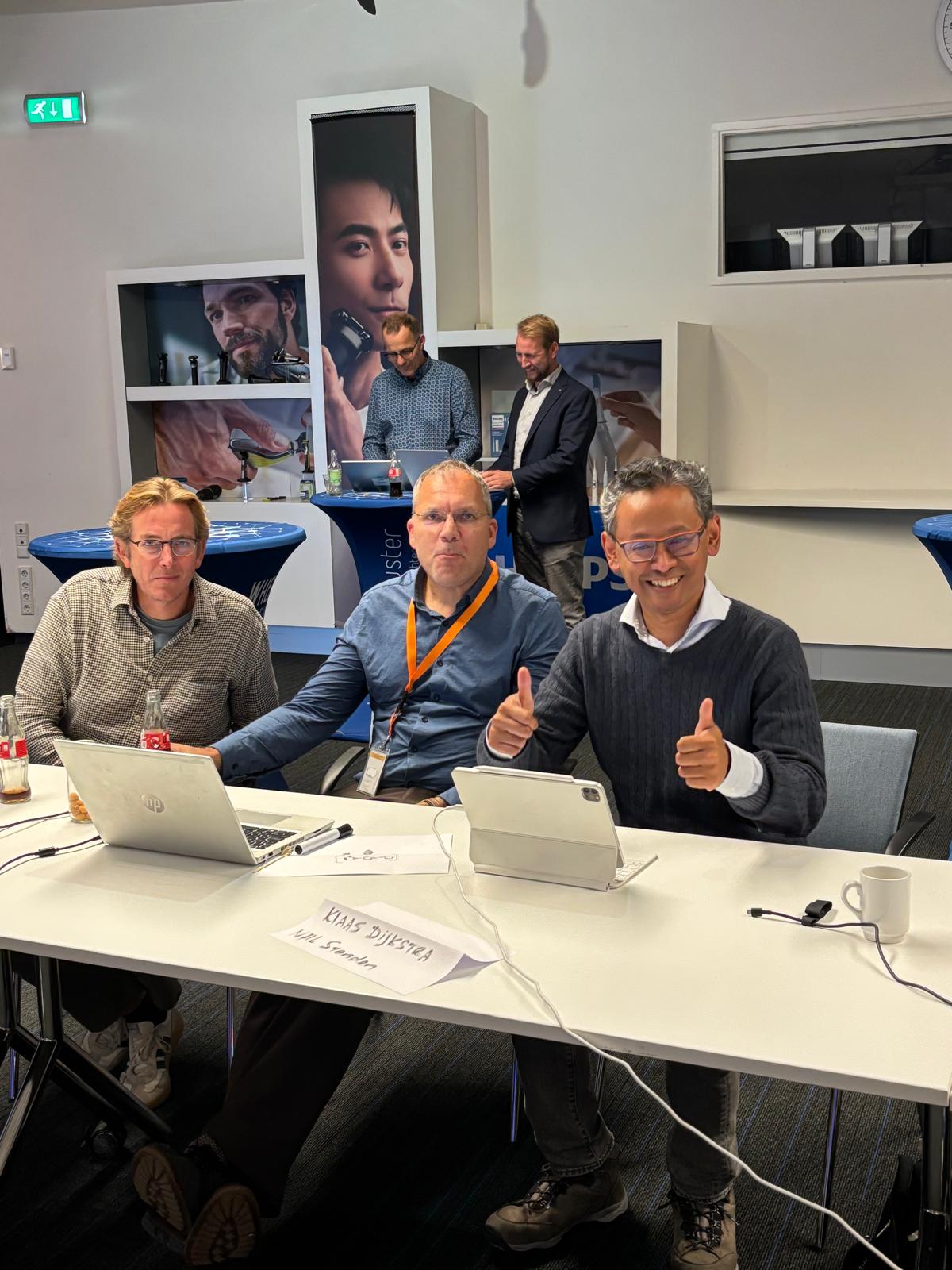
A literally ‘chill’ meeting
The session also faced an unexpected challenge. In the morning, the heating in the room failed, causing the temperature to drop quickly. The participants therefore worked with their coats for part of the day.
The low temperature at least kept the well-known afterlunch dip to a minimum. Around 15:00, the heating was restored and the meeting could be completed normally. A learning moment for the project team and a meeting that was literally ‘chill’.