
What does electrical engineering look like in practice? And what role do electronics, sensors, and smart systems play in the high-tech industry of the Northern Netherlands? To find answers to these questions, a group of students from Student association Scintilla of the University of Twente recently visited several innovative companies during an ICD-organized Safari.
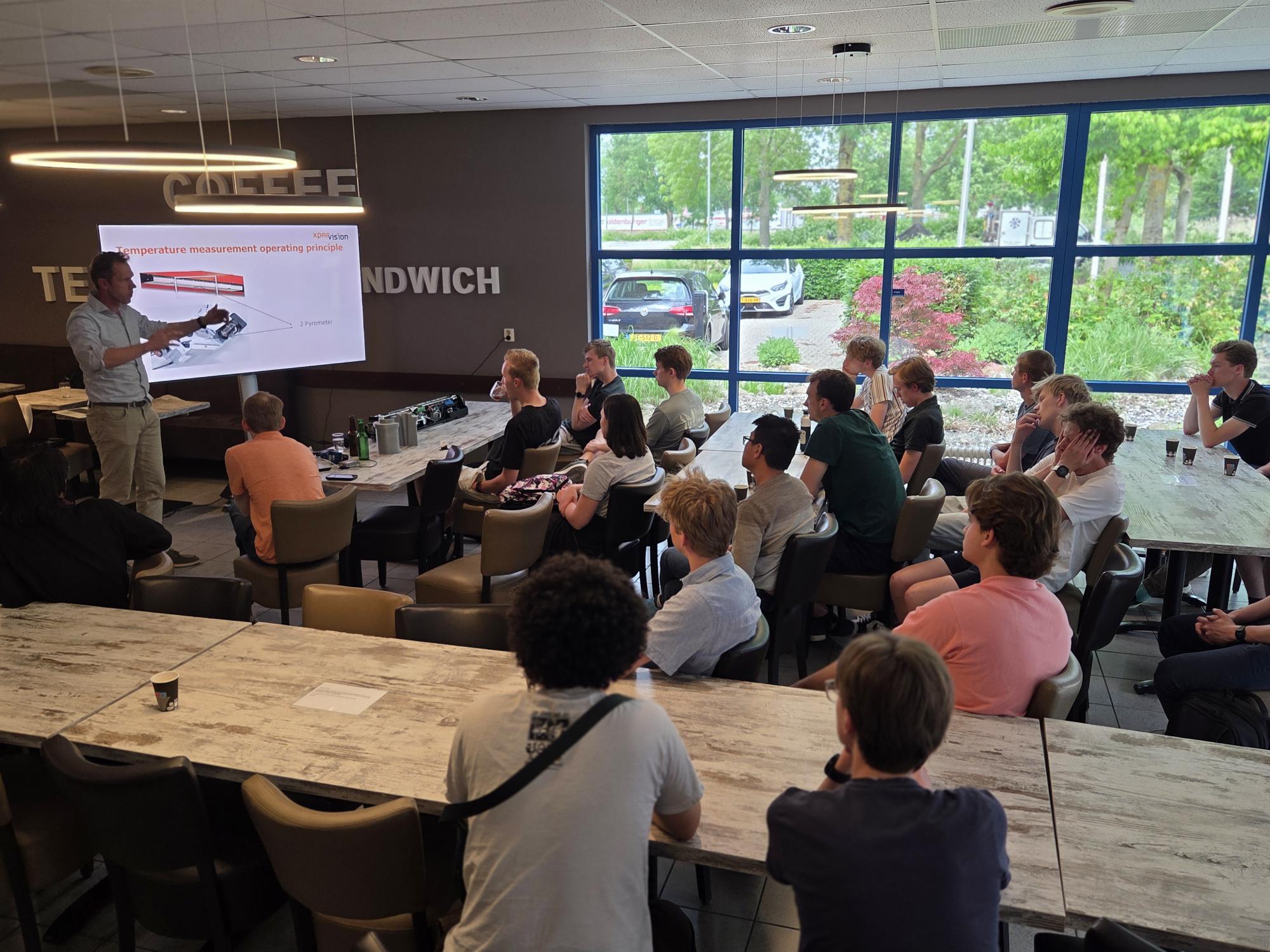
The group consisted of approximately 25 undergraduate Electrical Engineering students. During the day, they were introduced to various applications of electronics, sensor technology, and system development. Furthermore, they received a unique behind-the-scenes look at companies that are globally active in innovative technology.
First stop: SPARK Holland in Emmen
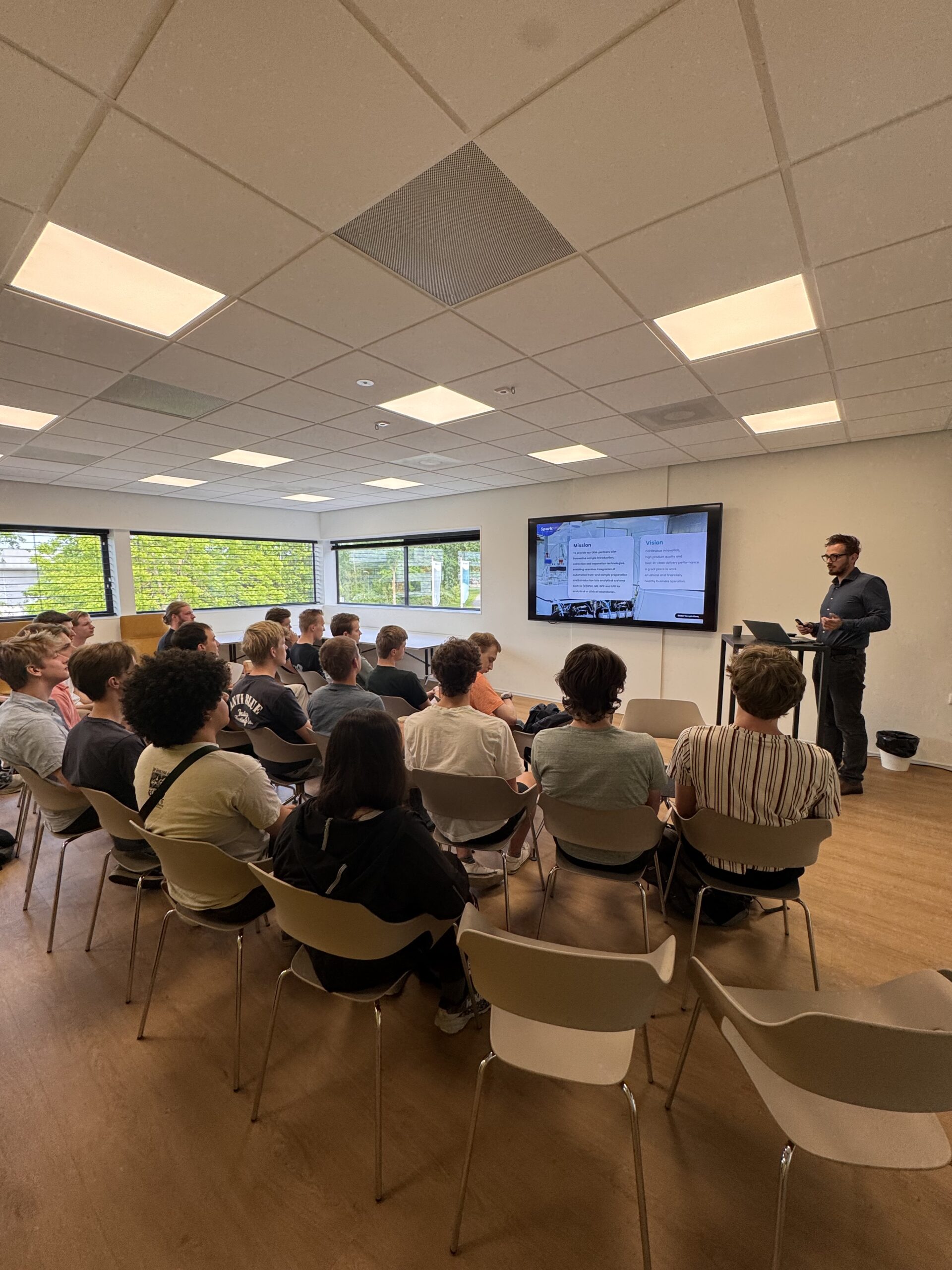
The safari started at Spark Holland in Emmen. During a presentation, the students first received an introduction to the company. In it, they were told Gertjan Rocks about SPARK Holland, which products it develops, and how the organization works.
Next, the focus shifted to the applications of these products and the value they offer to end-users. Subsequently, attention moved to the technological aspect of the systems. The students gained insight into the development of the electronics, the choices made in the system architecture, and how this technology aligns with the instruments that SPARK Holland develops.
Additionally, it was explained what the work of an engineer looks like in practice. This gave the students a concrete picture of the activities within a high-tech development environment.
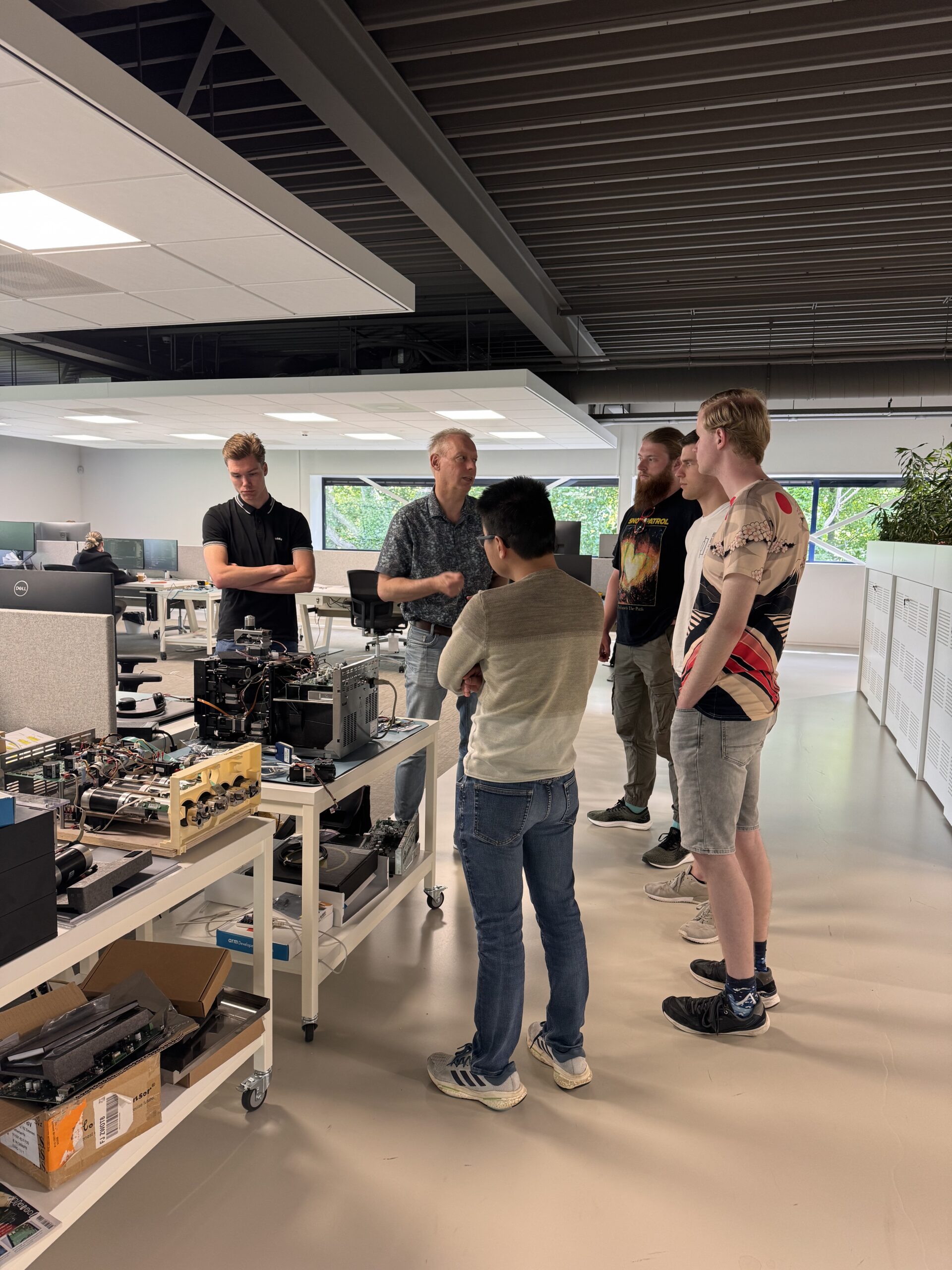
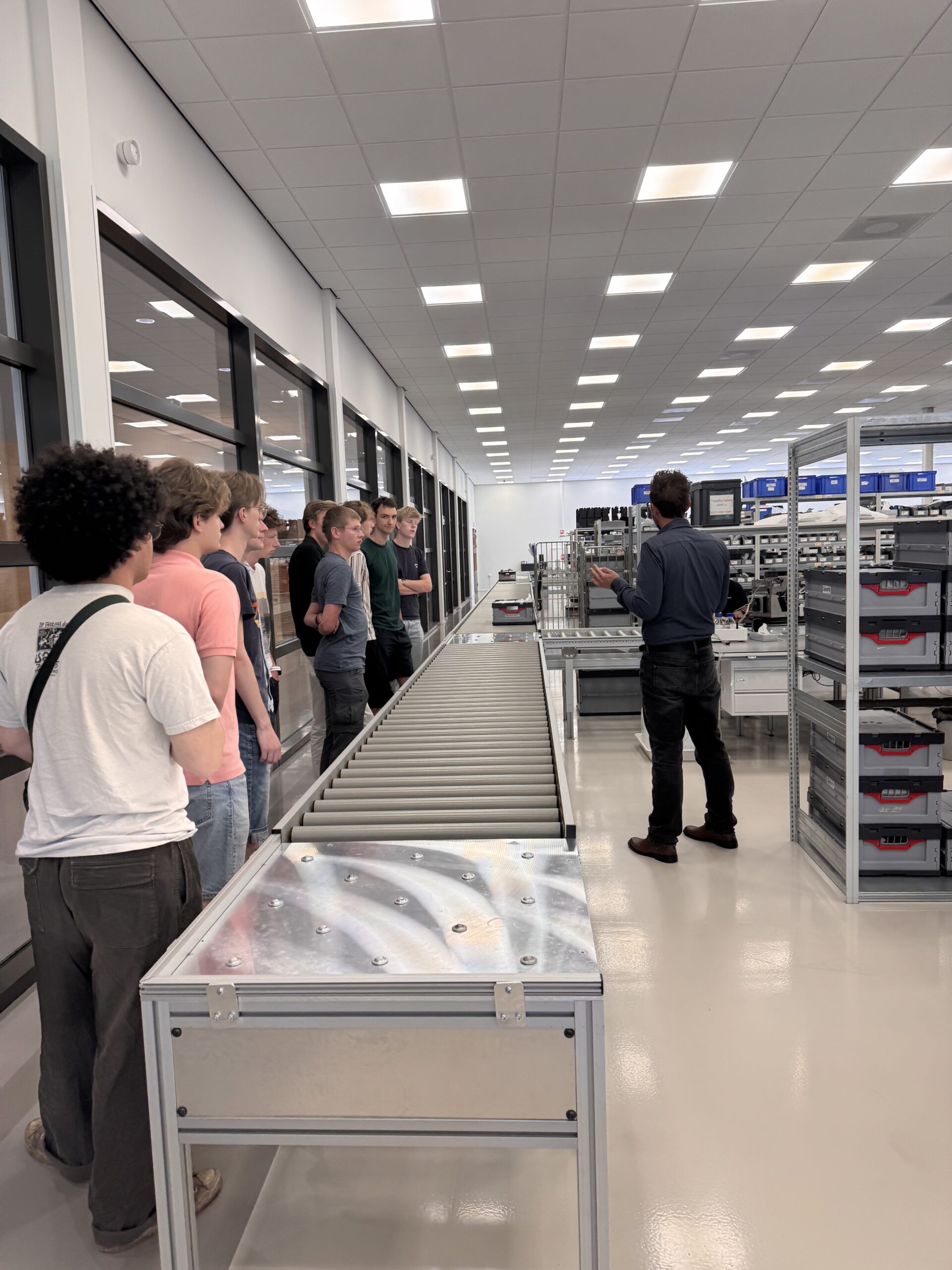
After the presentation, a tour of the company followed. During this tour, the students were able to follow the entire process: from development and production to the moment a product leaves the facility to the customer. The group asked many questions and showed great interest in the various technologies and processes.
Astronomy as a Source of Technological Innovation
After the tour, they provided ASTRON a presentation about the organization and its activities. In doing so, the students gained insight into the advanced technology used for radio astronomy and scientific research.
The presentation showed how fundamental research and technological innovation go hand in hand. Furthermore, it became clear that developments within astronomy often lead to new applications in other technological fields.
Variass: development and production under one roof
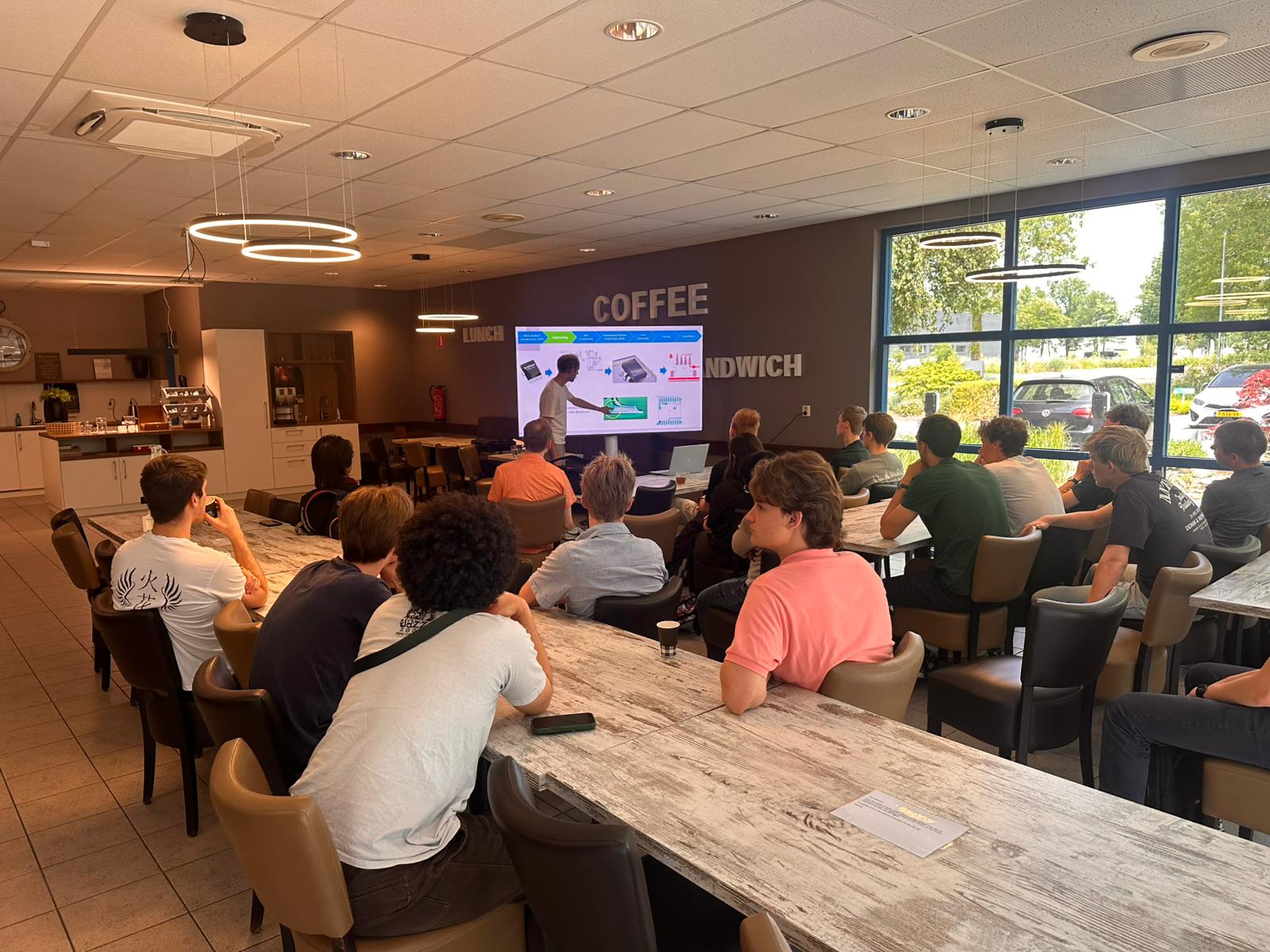
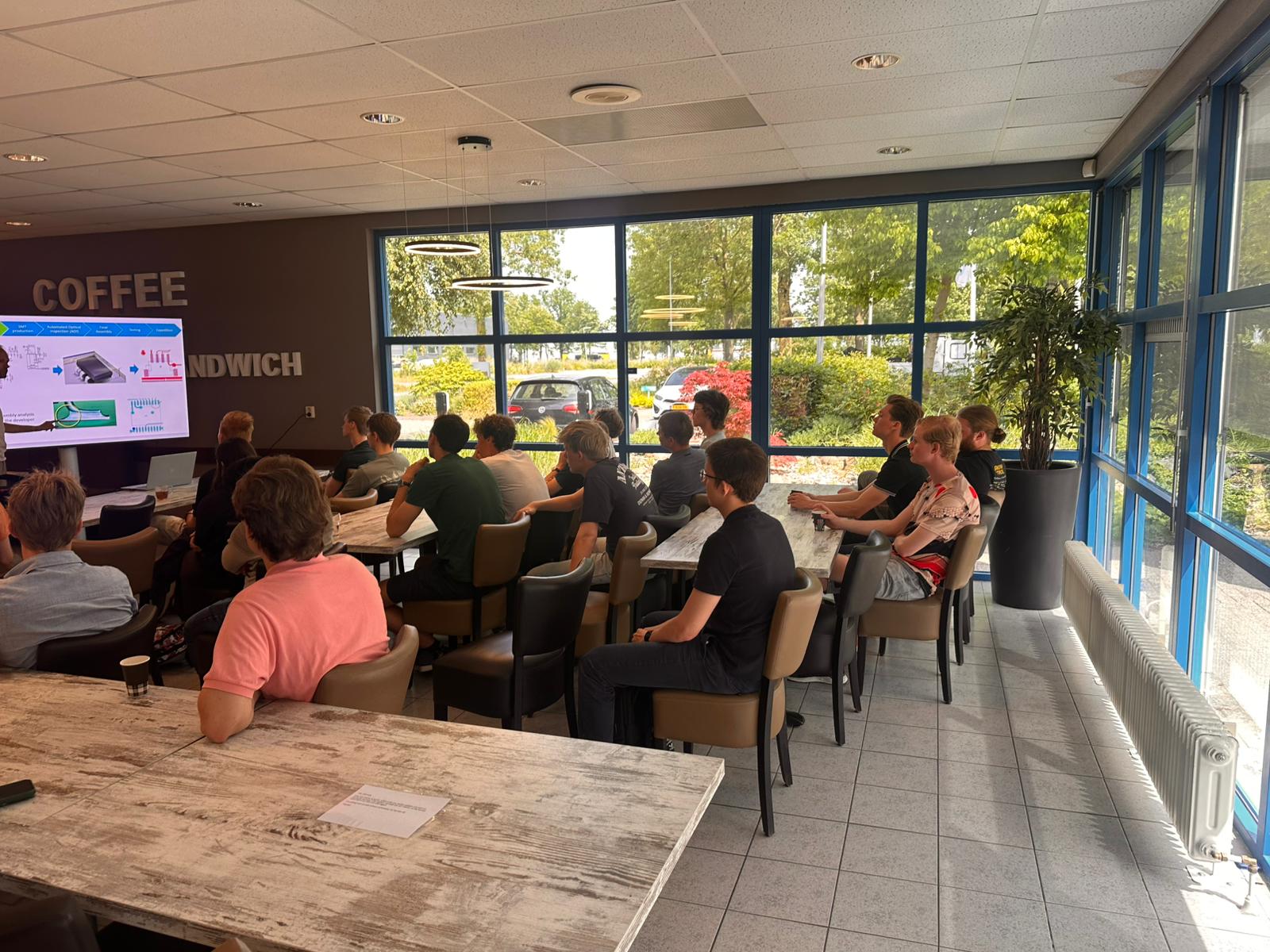
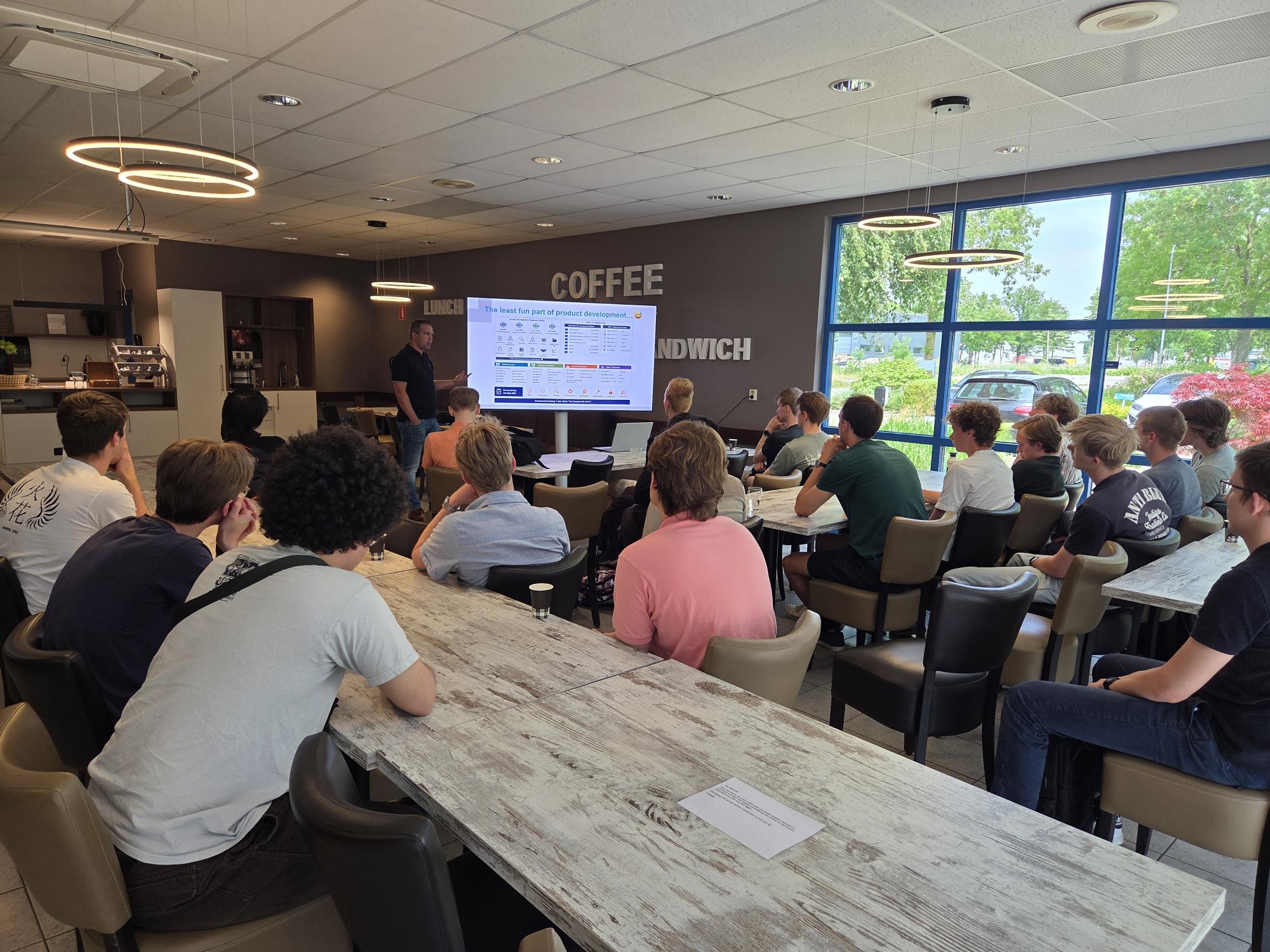
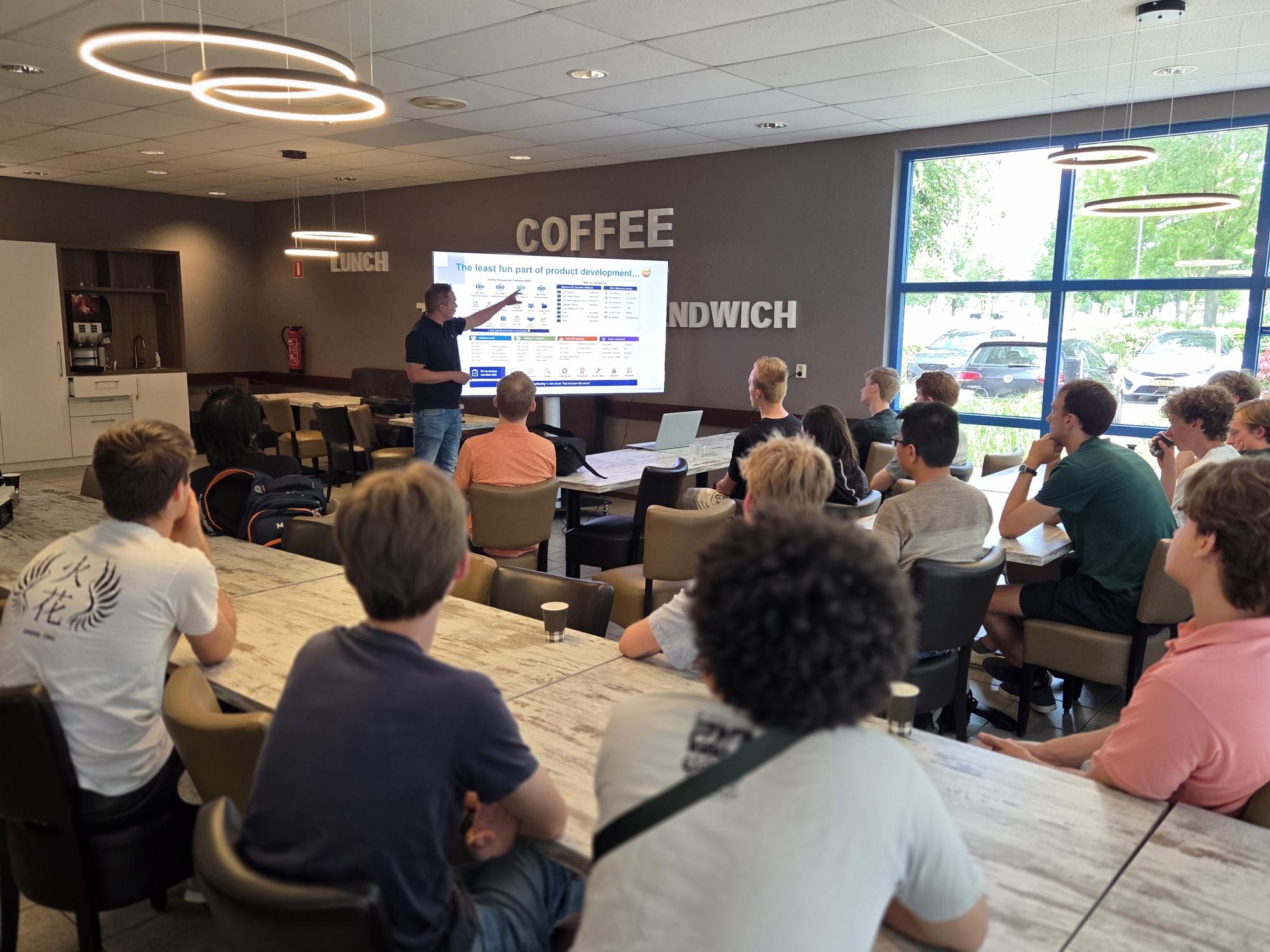
After lunch, the group traveled on to Veendam, where the students were received by Variass.
During an introduction, Hendri Kortman about the company and how Variass integrates development and production. This combination of engineering and manufacturability forms a key strength of the organization.
Next, it gave Robert Roossien, Head of Variass Development, an insight into the development of high-tech electronics and mechatronic systems. This included discussing the steps required to ultimately turn an innovative idea into a reliable and manufacturable product.
During the tour of the production environment, the students were introduced to the SMT production lines and the system assembly department. They also received an explanation of the various testing methods used to check electronics before they are sent to customers.
XPAR Vision: Smart Sensors for Sustainable Glass Production
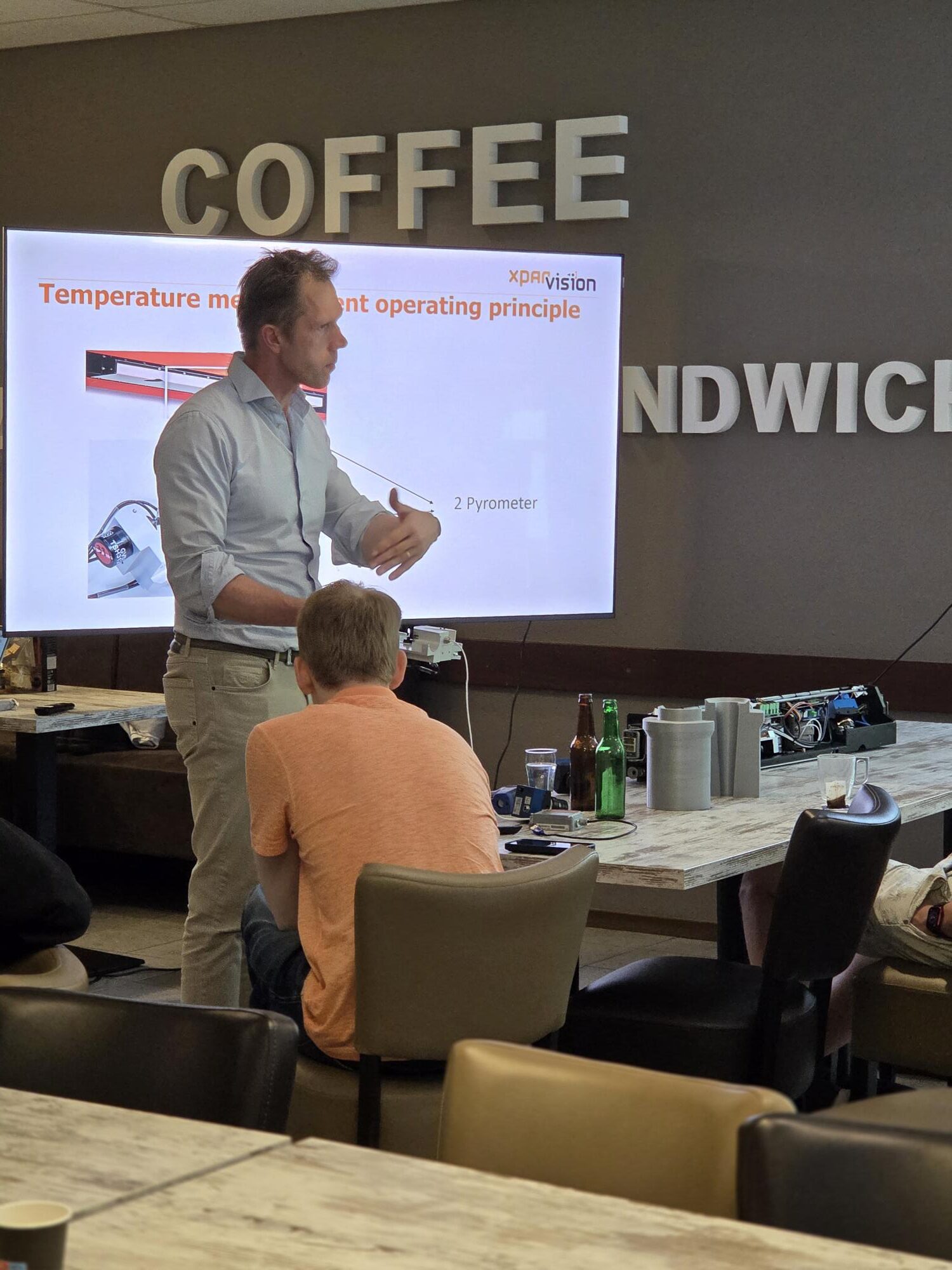
The day concluded with a presentation by XPAR Vision. Rolf Moedt talked about the company's activities and showed with a practical example how electrical engineering, sensor technology, data analysis, and software development come together in innovative products.
The GobAssist-BTC, an advanced measurement system for glass factories, was central. This system continuously measures the temperature of glass gobs and forming molds. Additionally, a high-speed camera analyzes the shape and position of the falling glass gob.
With this data, glass manufacturers can precisely adjust their processes. This results in higher product quality, lower material consumption, and more efficient production processes. At the same time, this contributes to a more sustainable glass industry, as glass is fully and endlessly recyclable.
For the students, this provided an engaging example of how virtually all aspects of an Electrical Engineering degree program come together in one product. The technical challenges were also discussed extensively, such as limited installation space, high ambient temperatures, and the high positioning accuracy required.
Connection between education and high-tech industry
The ICD Safari once again showcased how valuable it is to connect students with innovative companies in the region. By becoming familiar with practical examples and engaging in discussions with engineers and developers, students gain a better understanding of their future field of work.
For Innovatiecluster Drachten, these types of activities play a key role in bridging the gap between education and the business community. In this way, we work together to develop the technological talent of tomorrow and strengthen the innovative capacity of the Northern Netherlands.
We thank SPARK Holland, ASTRON, Variass, XPAR Vision, and all employees involved for their contribution to this inspiring day.